With rising energy prices, more and more people are looking for ways to reduce their gas consumption. With the ever-changing energy market, consumers are increasingly opting for dynamic energy contracts. These contracts offer flexibility and, if managed properly, can lead to significant savings. In this blog, we tell you all about a dynamic energy contract. For example, we explain exactly what it entails, its advantages and disadvantages, and how a Home Energy Management System (HEMS) can help you take full advantage of this form of contract. Read on quickly!
What is a dynamic energy contract?
A dynamic contract is an agreement where the electricity and gas rates are directly linked to the prices on the energy market, also known as the spot market. This means that the price of electricity can vary hourly and the price of gas changes daily. These prices are determined by supply and demand. This is because at times of high demand or low supply, prices can rise, while they fall when there is a surplus of energy.
Advantages and disadvantages of a dynamic contract
Opting for a dynamic energy contract has both advantages and disadvantages. We have listed the most important ones for you:
Advantages
- Benefit directly from price decreases: when energy prices fall on the market, you notice this immediately in your energy costs. This is in contrast to fixed contracts, where price decreases only take effect after contract renewal.
- Incentive for conscious energy consumption: by understanding hourly and daily rates, you can plan your energy consumption at times when rates are lower, which can lead to savings.
- No risk premium: with fixed contracts, suppliers often charge a premium to hedge against price increases. Dynamic contracts lack this surcharge, making rates more transparent.
Cons
- Cost uncertainty: fluctuating prices make it difficult to accurately predict your monthly energy costs. This can make budgeting difficult.
- Price increases during high demand: during peak or cold periods, energy prices can rise significantly, resulting in higher costs.
- Smart meter requirement: to have a dynamic energy contract, a smart meter that can transmit real-time consumption data is required.
The difference between dynamic, fixed and variable contracts
You may be wondering exactly what then are the differences of a dynamic contract from a fixed or variable contract. With a fixed contract, the rates are fixed throughout the contract period, regardless of market fluctuations. This provides security, but you do not benefit from any price decreases. With a variable contract, rates may change periodically, usually semi-annually. Prices are adjusted based on market developments, but the frequency of changes is limited. The difference with a dynamic energy contract in this is that rates change on an hourly basis for electricity and daily for gas, linked directly to market prices. This requires active monitoring and adjustment of your consumption to take full advantage.
What is a home energy management system (HEMS)?
A Home Energy Management System (HEMS) is a smart system that monitors, analyzes and optimizes energy use in your home. It integrates data from various sources, such as solar panels, home batteries, electric vehicle charging stations and smart meters. This is to provide a complete overview of your energy management.
A HEMS collects real-time data about your energy consumption and generation. Using smart algorithms, the system analyzes this data and controls devices to optimize energy use. For example, it can run your washing machine at times when power prices are low or charge your electric car when there is a surplus of solar energy. By the way, read about how many solar panels you need for an electric car here.

Benefits of a dynamic energy contract combined with a HEMS
Choosing a dynamic energy contract combined with a HEMS offers several advantages.
- Maximizing self-consumption: by using a HEMS, you can use and store the energy you generate yourself, for example through solar panels, more efficiently. This makes you less dependent on the grid.
- Cost savings: the system helps you consume energy at times when rates are low, directly resulting in lower energy costs.
- Sustainability: by optimizing your energy consumption and making greater use of renewable resources, you contribute to lower carbon emissions.
How does a HEMS integrate with sustainable technology?
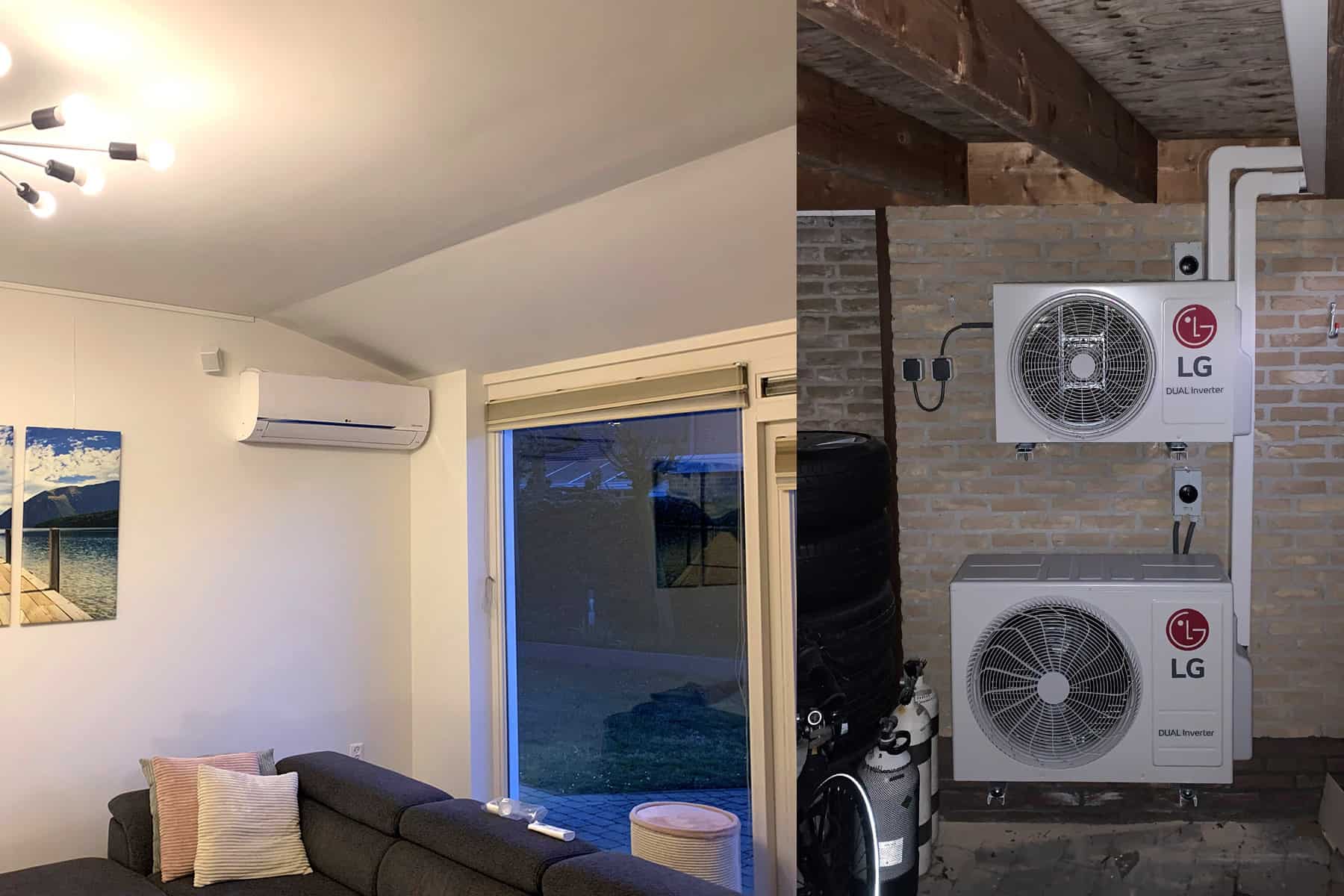
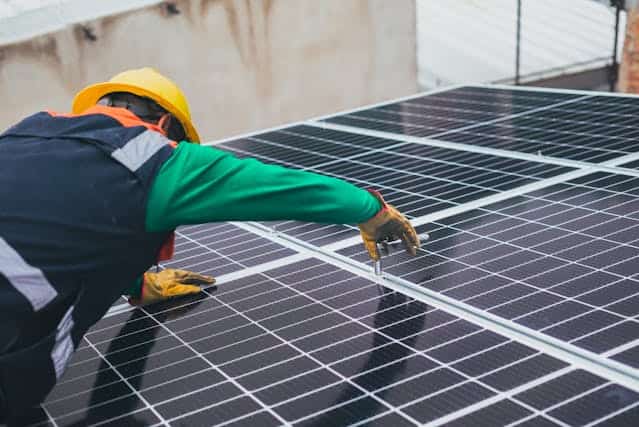
A HEMS works seamlessly with renewable technologies such as solar panels and heat pumps. Suppose you have a heat pump in your home, the HEMS can ensure that it uses energy primarily during off-peak hours, when energy costs are lower. In addition, overproductions of solar energy can be stored in a home battery and used later. This process maximizes efficiency and reduces unnecessary costs.
In Germany, there are attractive subsidies for renewable technologies, such as the BAFA heat pump subsidy. This subsidy supports households in the installation of heat pumps and offers financial benefits of up to €6,000. This not only makes it more attractive to invest in a heat pump, but also reinforces the benefits of an integrated HEMS system.
Considerations when choosing a dynamic energy contract and HEMS
There are a number of things to consider before choosing or not choosing a HEMS in conjunction with a dynamic contract. For example, the purchase and installation of a HEMS involve costs. It is important to evaluate whether the potential savings outweigh this investment. And although a HEMS automates many processes, it is still important to regularly monitor and adjust your energy consumption based on the available data. In doing so, the HEMS system works optimally when connected devices are compatible with the technology. Smart devices, such as smart thermostats, charging stations and smart home appliances, are therefore often needed to reap the full benefits. Finally, although a dynamic energy contract can ensure low rates at certain times, you must be prepared for unexpected price spikes. Using a HEMS can help minimize these price fluctuations, but requires a proactive approach.
So whether a dynamic energy contract is right for you depends on your personal situation and energy consumption. It offers opportunities for savings and more control over your energy consumption, especially in combination with a HEMS. Think carefully about your situation, the investment required and the flexibility before making a decision. Good luck!