When we look at the sky, for us the sun is nothing more than a shining orb that gives us daylight and warmth. But for more and more people, this giant star is also the solution for a more sustainable future. Solar panels have therefore become a popular way to harness the power of the sun. Nevertheless, for optimal use of the solar panels, it is important to know the correct inclination angle. Therefore, read on to find out how the ideal inclination angle of solar panels is determined. In addition, we would like to tell you more about why solar panels are a smart choice for the future.
Why the ideal pitch angle for solar panels is important
The angle at which solar panels are placed directly affects the amount of sunlight they can capture. The goal is to position the panel to capture as much direct sunlight as possible during the day. To determine the inclination angle of solar panels, the sun’s altitude and latitude are important. The solar altitude is the angle of the sun relative to the horizon at noon. And the latitude is the distance in degrees north or south of the equator.
Calculating the ideal angle for solar panels
The rule of thumb for determining the optimal angle of inclination for solar panels is quite simple. Namely, the angle should be approximately equal to the latitude of the location. For example, if you live in Amsterdam (about 52° northern latitude), the ideal inclination angle would be around 52°. However, for optimal performance during different seasons, adjustments may be necessary. In winter, add 15° to the latitude and for summer, subtract 15° from the latitude. For spring and fall, use the exact latitude. The direction of the solar panels can also have an effect on how much energy they generate. For example, there is a difference between the output of solar panels facing west versus north.
The ideal angle for south-facing solar panels
The ideal tilt angle for solar panels facing south is about 35 degrees. This ensures an optimal balance between summer and winter yields. At this angle, the solar panels capture the maximum amount of sunlight throughout the year.
The ideal angle for solar panels on a flat roof
For solar panels on a flat roof, the ideal angle depends on the orientation. If the panels face south, an angle of 30-35 degrees is most optimal. However, if the panels are placed facing east or west, an angle of 10-13 degrees produces the highest yield. This is because a lower angle prevents the panels from overshadowing each other and provides more efficient energy output during the day. In addition, solar panels on a flat roof are often placed in an east-west arrangement to distribute energy production more evenly throughout the day.
The benefits of optimal pitch solar panels
The ideal slope angle for solar panels can provide many benefits. Whether it is a standard roof or you want to put the solar panels on a thatched roof. In any case, we have listed the biggest advantages for you:
- Maximizes energy generation: by optimally orienting the panel toward the sun, the amount of energy produced increases.
- Extends the life of the panel: by maintaining an optimal angle, overheating is reduced, extending the life of the panel. This is partly because the correct angle promotes air circulation behind the panel.
- Minimizes reflection: solar panels work best when they can absorb as much sunlight as possible. Choosing the ideal inclination angle for solar panels minimizes the reflection of sunlight. This means more light is absorbed directly by the panel, which increases efficiency.
- Improves aesthetics: a solar panel placed at the correct angle can integrate seamlessly with the roof of a house or building. This not only improves functional performance, but also contributes to a more attractive visual appearance. Sometimes it is even possible to use solar panels as roofing materials!
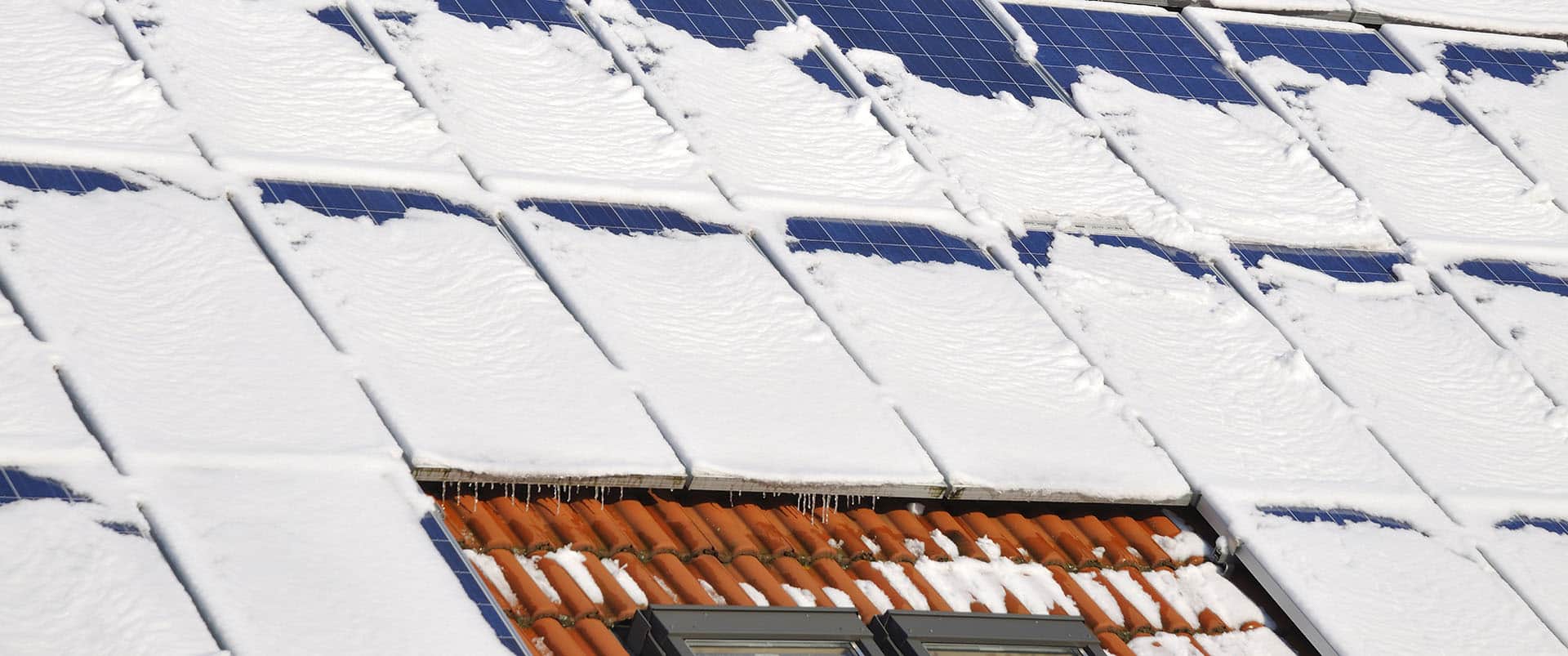
- Reduces maintenance: in areas where it rains or snows regularly, the proper slope angle can help with natural cleaning of the panel. Rain can wash away dust and dirt. In the process, the right angle can minimize snow accumulation in winter.
- More efficient energy storage: the right slope angle for solar panels means they deliver energy more consistently throughout the day. This provides a more stable energy supply to batteries and energy storage systems, allowing these systems to operate more efficiently.
- Optimization of space: placing solar panels at the right angle allows them to capture the most sunlight in the smallest area possible. This is especially beneficial for homes and buildings with limited roof space.
So choosing the right angle of inclination for solar panels is crucial to maximizing efficiency. With simple rules of thumb and adjustments for the changing seasons, homeowners can get the most out of their solar investment. Either way, it’s clear that solar panels are important for a more sustainable future. Good luck!