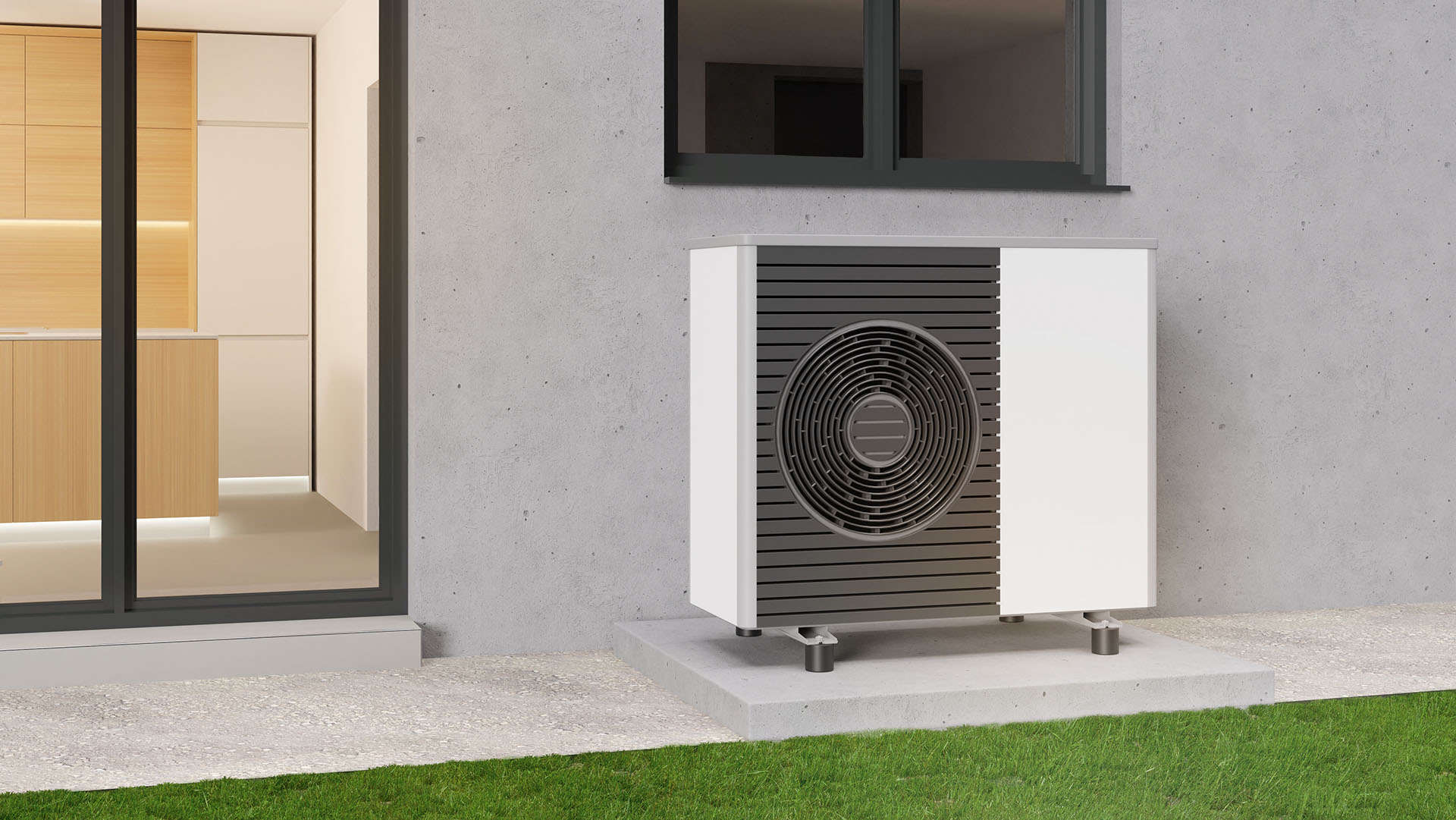
In Germany, the switch to renewable energy sources has been in full swing for years. One of the most popular solutions in homes and apartments is the heat pump. To encourage this switch, the heat pump subsidy is available in Germany for both individuals and companies. This blog discusses the types of subsidies, the conditions and what to look out for as a homeowner.
Why is Germany encouraging the use of heat pumps?
Germany, like many other European countries, has committed to climate goals to reduce greenhouse gas emissions. Natural gas and fuel oil are slowly falling out of the picture as heating sources. Heat pumps are a sustainable alternative that uses renewable energy. By offering subsidies, the government wants to lower the threshold for adopting this technology.
BAFA: the main grant program
The most well-known heat pump subsidy in Germany is provided through the BAFA program (Bundesamt für Wirtschaft und Ausfuhrkontrolle). This federal program supports homeowners who choose an environmentally friendly heating system. The amount of the subsidy depends on the type of installation, the capacity of the pump and whether it is a renovation or new construction project.
A few examples:
- For an air-water heat pump in an existing home, the subsidy can be as much as 25% of the investment cost.
- Those who replace an old gas or oil boiler often qualify for an additional 10% bonus.
Please note that the installation must be performed by an authorized company and pre-registered with the BAFA.
Conditions for subsidy
Not every heat pump automatically qualifies for subsidies. The technology must meet certain energy efficiency requirements. In addition, the device must be on the list of approved systems approved by BAFA.
Some conditions at a glance:
- The heat pump must achieve minimum seasonal efficiency (SCOP).
- The installation must not have begun before the grant is applied for.
- Only certified installers may install the system.
Additional rules often apply to apartment complexes. For example, collective installations sometimes require consultation with the VvE.
What are the costs and what is left after subsidy?
The investment in a heat pump is usually between €10,000 and €20,000, depending on the type of system and the complexity of the installation. The available subsidy can significantly reduce this cost. Suppose the total cost of the heat pump is €15,000. In that case, a homeowner is eligible for a 25% BAFA subsidy, which amounts to €3,750. In addition, if an old gas or oil boiler is being replaced, an additional 10% bonus can be awarded, good for €1,500. This brings the final net investment to €9,750. This suddenly makes it much more attractive for many households to make the switch to a sustainable heating solution.
Additional financing options
In addition to the BAFA program, low-interest loans exist in Germany through the KfW (Kreditanstalt für Wiederaufbau) and others. These loans are for energy-saving measures, including the installation of a heat pump. Additional incentive schemes or tax breaks also exist in some states.
So in addition to the national scheme, it pays to look at what is available regionally.
Sustainable investment with vision for the future
A heat pump is not only an investment in comfort, but also in maintaining the value of the home. In fact, more and more municipalities in Germany are implementing policies whereby fossil heating systems will eventually be banned. Choosing a future-proof system now not only saves energy but also anticipates future legislation. In addition, sustainable systems such as heat pumps or air conditioners, often provide a better energy label, which is beneficial when selling or renting the home.
Final consideration: the timing of your application
Subsidies are not only about what you apply for, but also when you do it. In Germany, the subsidy application must always be submitted prior to installation. If you start the installation before your application is approved, the right to subsidies will be lost. It is therefore wise to first carefully read through BAFA’s guidelines or consult an advisor.
Sustainable heating is becoming more accessible
With the help of subsidies, loans and rising energy costs, sustainable heating is becoming increasingly attractive. Germany shows that a clear government incentive works: more and more households are switching to a heat pump. The investment is more feasible thanks to subsidies, and the long-term return speaks for itself, although it depends in part on the lifespan of the heat pump. Those who are already thinking about sustainability now can thereby not only save on energy costs, but also anticipate future regulations.
Want to know more about sustainable systems? Then read about which air conditioner is best for heating here.