Sustainable living starts with energy-efficient construction. Especially with BENG requirements becoming increasingly important, the way we approach new construction and major renovations is changing dramatically. The BENG (Nearly Energy Neutral Buildings) requirements are rules that ensure homes consume little energy and use as much renewable energy as possible. Starting in 2026, these requirements will be updated, which will affect your building needs.
What exactly do the BENG regulations entail?
BENG requirements focus on three main indicators that determine a building’s energy performance:
- The maximum energy requirement per square meter per year for heating, cooling and ventilation;
- Primary fossil energy use, which indicates the maximum amount of fossil fuels that can be consumed;
- The minimum proportion of renewable energy that the building must provide.
These regulations ensure energy savings and reduced CO2 emissions in homes. Since 2021, these requirements have applied to new construction, and starting in 2026 the regulations will be further tightened.
The main changes in 2026 for BENG
1. Integrating energy storage into the BENG calculation.
Starting in May 2026, energy storage via home batteries will count when calculating energy performance. This is a big step forward for those with solar panels or other forms of renewable energy storage. By storing energy yourself, you can more easily meet BENG requirements.
2. Adaptation of the NTA 8800 calculation method.
The NTA 8800 calculation method is being updated. This will give energy labels new indicators, such as annual energy consumption and greenhouse gas emissions. It also introduces a new A0 energy label for completely emission-free buildings. This label helps buyers and builders identify the most sustainable homes.
3. Stricter requirements from 2030: Zero Emission Buildings (ZEB)
Although BENG requirements remain valid until 2030, they will then be replaced by even stricter ZEB requirements. This new standard focuses on buildings with no emissions so that the Netherlands can meet its climate goals.

How do you prepare for this?
For an accurate BENG calculation, you need insulation values, heating and ventilation systems, solar panels, heat pumps and energy storage data. An approved energy performance consultant uses specialized software to perform the calculation accurately. Include these calculations with your permit application and completion. This way, your home will comply with the rules and avoid problems later.
Helpful tips for meeting the requirements
- Invest in good insulation to reduce energy needs.
- Choose sustainable heating systems such as heat pumps.
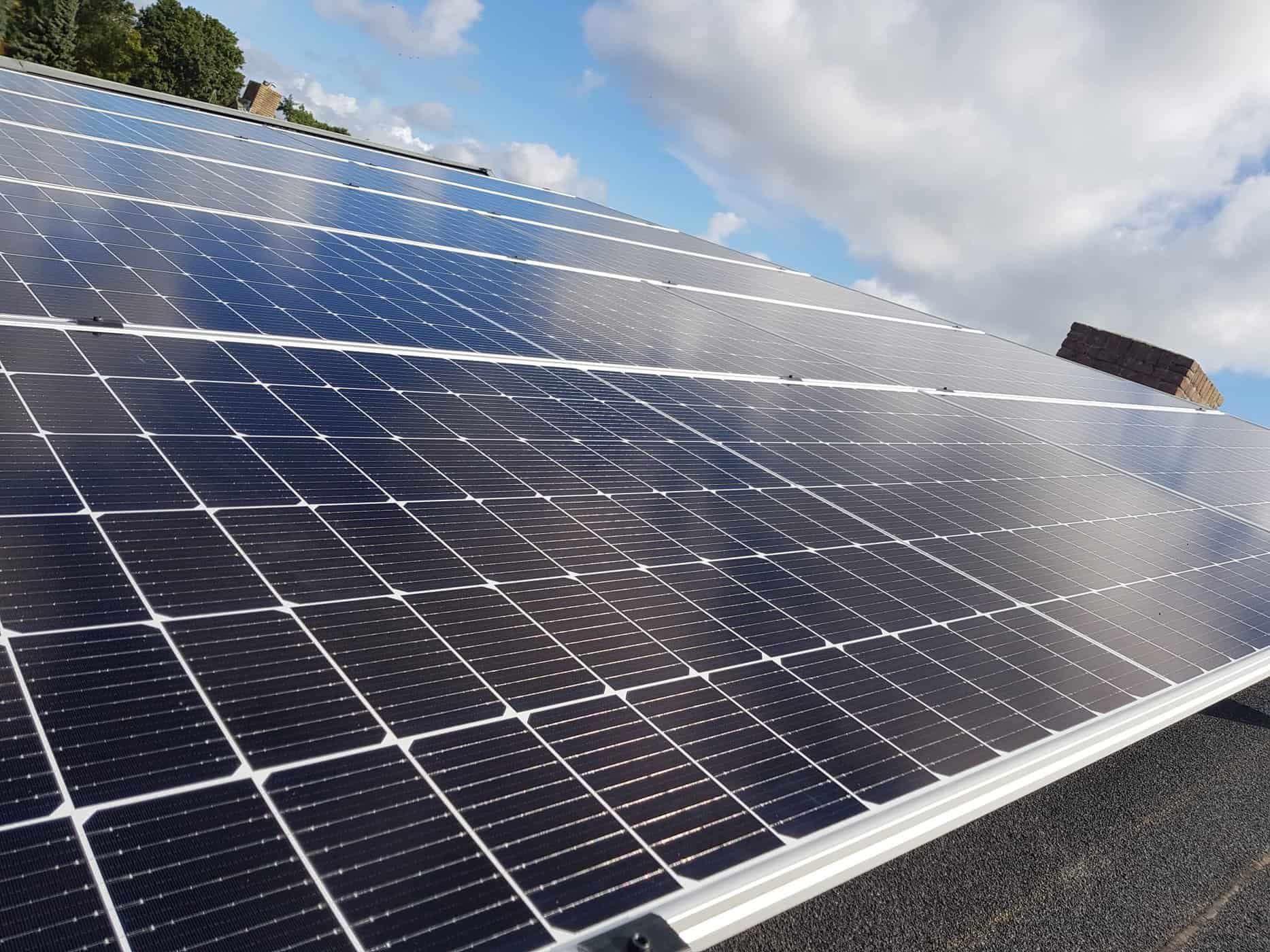
- Use solar panels and consider a home battery for energy storage.
- Work with approved consultants familiar with the NTA 8800 calculation method.
Want to know exactly how to apply all this to your project? Contact The Sustainable Boys for expert advice.
Frequently asked questions about BENG and the changes in 2026
What exactly does BENG mean?
BENG stands for Nearly Energy Neutral Buildings, which means homes that are very economical in energy consumption and use a lot of renewable energy.
What are the three BENG indicators?
- Maximum allowable energy requirement per m² per year.
- Maximum fossil energy use.
- Minimum share of renewable energy.
What new rules will apply starting in 2026?
Energy storage counts in energy performance, there will be a new energy label A0 for emission-free buildings, and the NTA 8800 calculation method will be updated.
What do I need for a BENG calculation?
Details of your home’s structural and installation details, including sustainable systems and storage, and a licensed consultant to do the calculation using appropriate software.
When do the ZEB requirements take effect?
Starting in 2030, Zero Emission Buildings requirements will replace BENG standards, with even stricter sustainability requirements.
Moving towards sustainable homes together with BENG
BENG requirements take center stage in building and remodeling low-energy homes. The changes in 2026 will make it easier to meet sustainability goals. Want to make sure your project is ready for the future? Then contact The Sustainable Boys. We will be happy to help you with advice, installation and implementation so that you have a comfortable, energy-efficient and future-proof home.