
Making your home more sustainable doesn’t start with big investments, but with insight. By understanding how your home uses energy, you can make smart choices that fit your budget and situation. An energy check shows you where the most gains can be made. Then, step by step, you can work toward a more comfortable and energy-efficient home. Whether you live in a new construction or an older home, conservation is always possible, if you know where to start.
Why making your home more sustainable is the smartest choice
Making a house more sustainable is not only good for the environment, but also for your wallet and living comfort. Energy-saving measures structurally reduce energy costs. Good insulation and modern installations also ensure a pleasant indoor climate. In addition, the value of your home increases because energy labels are becoming increasingly important when selling it. By making your home more sustainable, you also reduce your ecological footprint and actively contribute to a more sustainable future. Making your home more sustainable is therefore an investment that pays off in more ways than one.
I want to make my home more sustainable: here’s what you need to know
Anyone thinking, “I want to make my house more sustainable,” would do well to start small. Many improvements cost little but produce immediate results. Think of sealing gaps or installing LED lighting. It is important to use reliable information, for example through energy consultants, municipalities or recognized websites on sustainable living. There are also subsidies and financing options available that make making your home more sustainable more financially attractive. This allows you to work towards an energy-efficient and future-proof home in phases. Have an energy scan performed and gain insight into your energy consumption!
Smart steps to make your existing home more sustainable
Making an existing house more sustainable requires a planned approach. By gaining insight into your current energy consumption and then making step-by-step improvements, you can make structural savings. Below are four smart steps that form the basis of any sustainability plan.
1. Start with an energy check of your home
An energy check is the first step in discovering where your home is losing energy. An advisor or online tool analyzes gas and electricity consumption, insulation and ventilation. This gives you insight into which measures are most effective. For example, consider additional insulation, solar panels or replacing an old central heating boiler. With this information, you set priorities that fit your budget and housing needs.
2. Choose energy-efficient heating and hot water
Modern heating systems can dramatically reduce energy consumption. A good example is the heat pump, which draws heat from the air, soil or groundwater. This allows you to heat your home efficiently without relying on natural gas. Combine this with underfloor heating and good insulation for optimal efficiency and comfort. Hybrid solutions are available for many homes, allowing you to make a gradual switch.
3. Generate your own power with solar panels
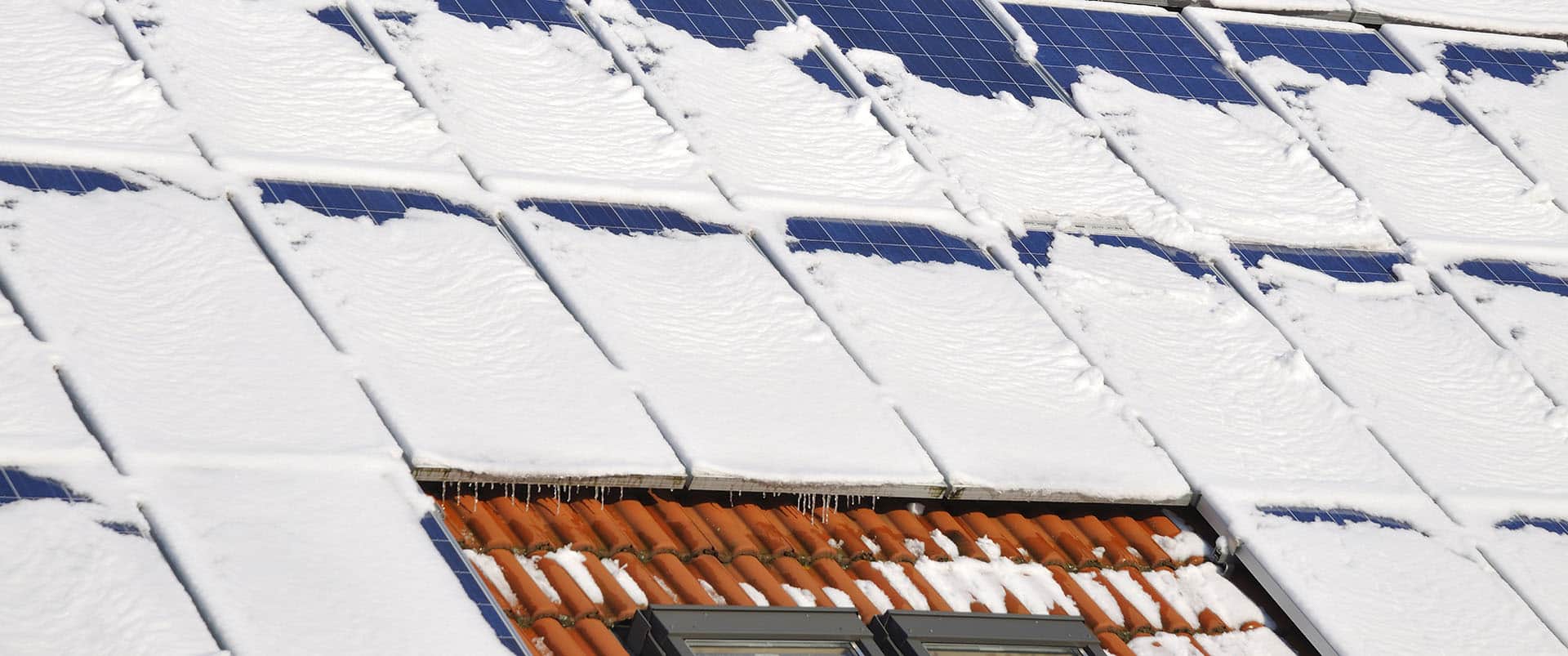
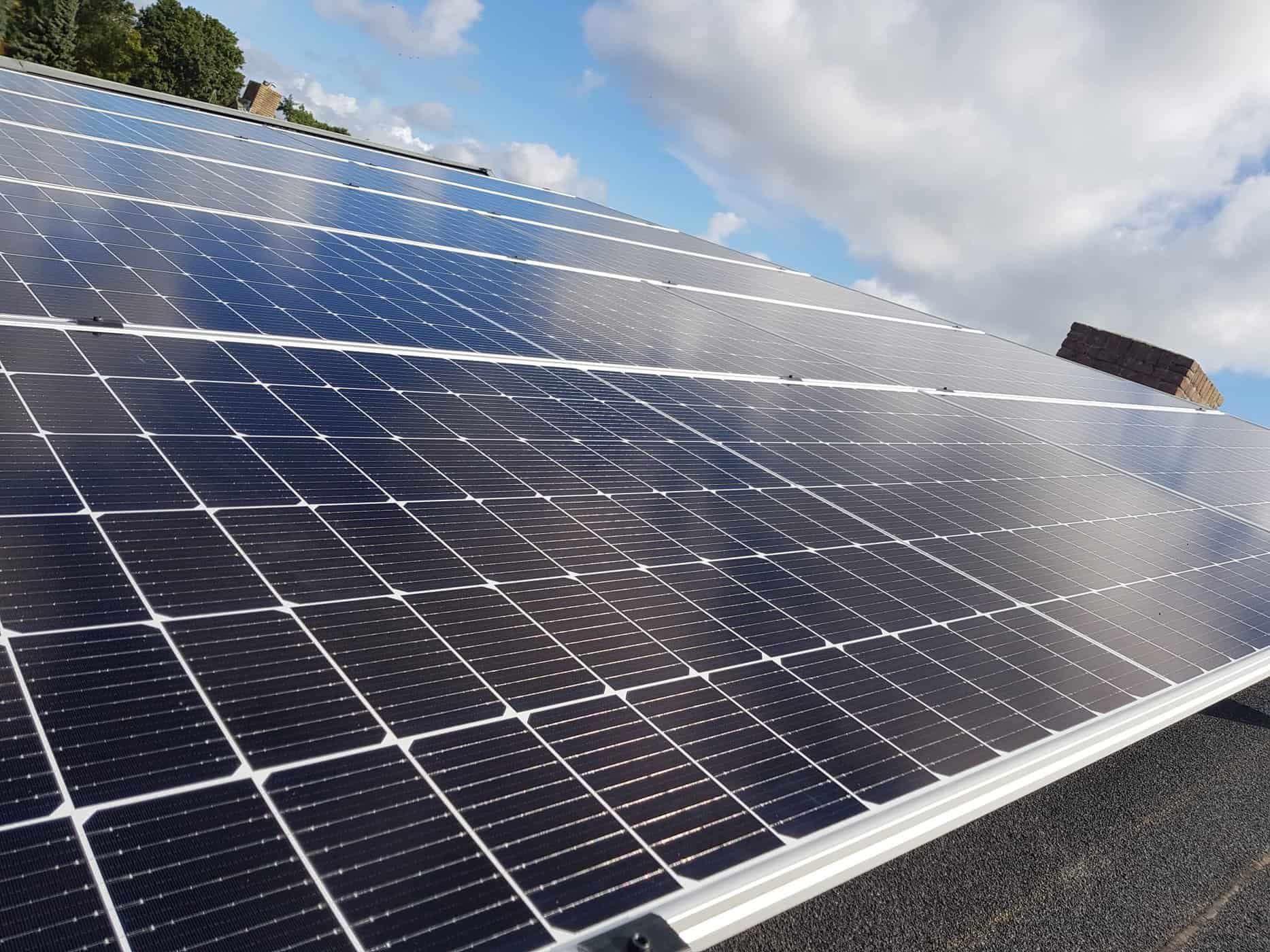
With solar panels, you generate renewable electricity that directly contributes to lower energy costs. The investment usually pays for itself within a few years thanks to savings and possible feed-in compensation. When purchasing, pay attention to factors such as roof orientation, slope angle and panel type for optimal efficiency. Solar panels not only reduce your carbon emissions, but also make your home less dependent on fluctuating energy prices.

4. Future-proof your home with small habits
Increasing sustainability does not always have to be on a large scale. By making small adjustments in your daily behavior, you can save a lot of energy. Consider taking shorter showers, turning off appliances in standby mode or using a smart power strip. Even lowering the thermostat by one degree can make a noticeable difference on an annual basis. This is how you make sustainable living a natural part of your routine.
How can you make your home more sustainable without major remodeling?
Not everyone can or wants to invest in major measures right away. Fortunately, there are plenty of practical solutions that allow you to preserve without remodeling. Heat strips, radiator foil and crack sealing prevent heat loss. A smart thermostat helps to better regulate energy consumption. In addition, energy-saving habits, such as conscious ventilation or washing at lower temperatures, already make a visible difference. So you can become more sustainable step by step, with minimum effort and maximum impact.
Curious about options for making your home more sustainable?
Want to know which steps will have the most impact for your home? Then schedule a no-obligation consultation with an expert from The Sustainable Boys. Together you look at which measures best fit your budget, house type and personal goals. In this way, you make targeted work of an energy-efficient future.