
You have solar panels on your roof and expected a nice savings on your energy bill. But then you suddenly see that the yield is disappointing. Less power than expected, even though the sun was really shining. Recognizable?
There can be several reasons why your solar panels are not producing as much as hoped. Sometimes it’s due to something simple like dirt or shade, but it can also have to do with the installation or the weather. In this blog, we list the most common causes. That way you know what to look out for and when it’s time to have someone look at them.
Why are my solar panels producing less than expected?
You had solar panels installed with the idea of saving substantially on your energy costs. But after a while you notice that the output of the solar panels is disappointing. Perhaps you see it reflected in the app or on your energy bill. This is obviously disappointing, especially if you had counted on higher results. Before you worry, it’s good to know that there can be several causes.
Sometimes it’s due to something simple, like dirt on the panels or shade falling across your roof later in the day. But it can also have to do with technology: an inverter that isn’t working properly, a mediocre connection or panels that aren’t aligned quite right. Weather and seasons also play a big role. In doubt about less yield from your solar panels? Then have someone knowledgeable take a look.
Shading, dirt or aging: these affect your panels
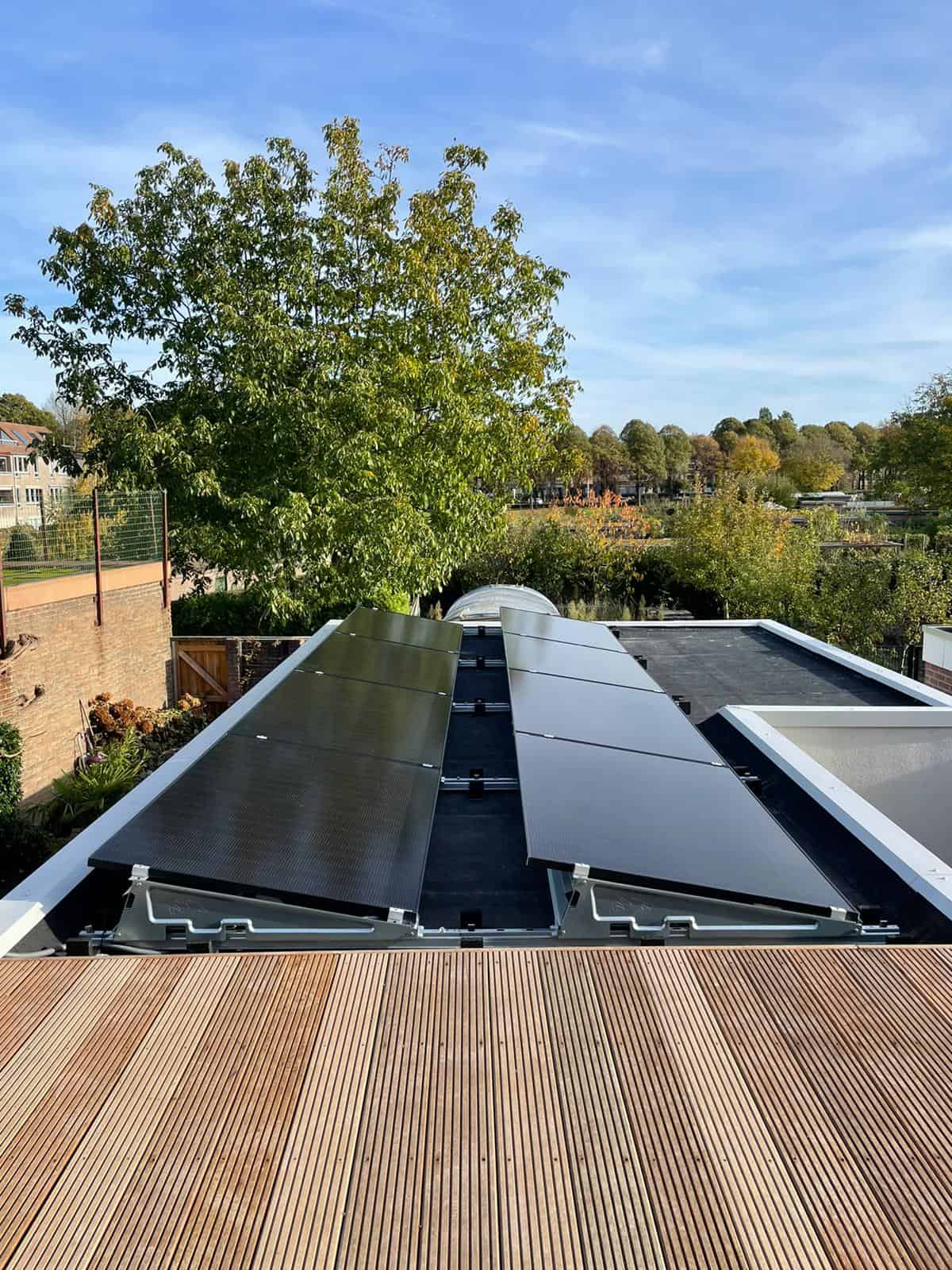
Solar panels work best when they get lots of sunlight. But sometimes your roof gets shaded, such as by a tree, a chimney or a dormer. Even if it’s just a little shadow, it can cause your panels to work less well. As a result, the yield from your solar panels may be disappointing and you may find that you get less energy back than you expected. It is therefore smart to regularly check if anything has changed around your house, such as trees that have grown.
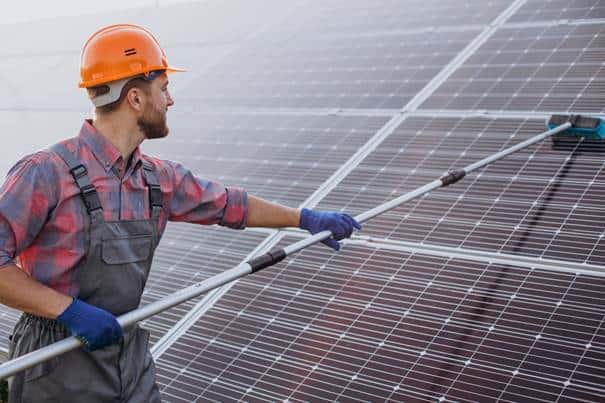
Dirt on the panels can also be a problem. Think dust, leaves or bird droppings. This blocks sunlight and causes your panels to make less power. Especially on flat roofs, dirt sometimes remains, making the situation worse. In addition, solar panels become weaker after a number of years. This means you can expect less output from your solar panels over time. It’s good to keep an eye on this so you know when maintenance is needed or when it’s time to replace panels.
Seasons and weather: how much sun can you really expect?
Solar panels work best when the sun is shining, but how much sun you can actually expect depends greatly on the weather and seasons. In spring and summer, the days are longer and the sun shines more often, which means your panels will generate the most energy. In the fall and winter, the days are shorter, cloudy and it can even snow more often, so the yield from solar panels can be disappointing. This is quite normal and part of using solar panels.
Many people find it difficult to understand why they see less solar panel output in some months than in others. Therefore, it is better to look primarily at the yield over an entire year. Usually the sunny months in spring and summer make up for the lesser yield in winter.
When is it time to get help?
If you think, “the yield from my solar panels is disappointing,” it can sometimes cause doubt. Fortunately, in most cases there are good solutions. Have you checked everything, such as shade, dirt and seasonal influences, but the yield remains low? Then it’s still smart to call in a specialist. Especially if you notice that your inverter is not working properly, your installation is older or if you have doubts about the correct operation of the system.
A professional can use special equipment to properly measure your solar panels and installation and detect any problems. This way you prevent small defects from leading to an even lower yield. They can also advise you on maintenance or improvements that can increase the lower yield of solar panels. So don’t wait too long, because with professional help you will get the most out of your investment.