
Purchasing solar panels has become increasingly attractive in recent years. Not only are you contributing to a more sustainable future, but you are also saving on your energy costs. Yet the rules are changing, and one of the biggest changes concerns the net-metering scheme. In this blog, we explain why this scheme is disappearing, what it means for you and how you can prepare for it.
What is netting?
Netting allows you to offset the electricity you generate with your solar panels and feed it back into the grid against the electricity you consume. This means you pay less for your energy consumption. Previously, you could net your entire generated electricity, but that is going to change.
Why is net-metering being abolished?
The government believes the scheme has become too expensive and is no longer needed to encourage solar energy. In addition, the large supply of returned energy is causing problems on the electricity grid. The abolition will improve the balance on the grid and the government wants to encourage solar panel owners to use more power directly themselves.
When will net-metering be abolished?
Originally, the plan was to phase out the balancing system from 2023. However, this proposal was rejected. It has now been decided that the scheme will disappear completely on January 1, 2027. From then on, you will no longer be able to offset generated electricity against your consumption, but will receive a feed-in compensation. This fee is usually lower than the price you pay for purchased power. As a result, your energy costs may increase as the scheme disappears.
Why abolishing net-metering need not be a problem
Even if net-metering is abolished, you can still benefit from having solar panels. In fact, there are some alternatives and solutions available. These include:
Investing in home batteries
One way to be less dependent on the grid is to invest in a home battery. This battery stores the energy you generate during the day. You can then use it at times when your solar panels are not generating energy, such as at night.
Increase your own consumption
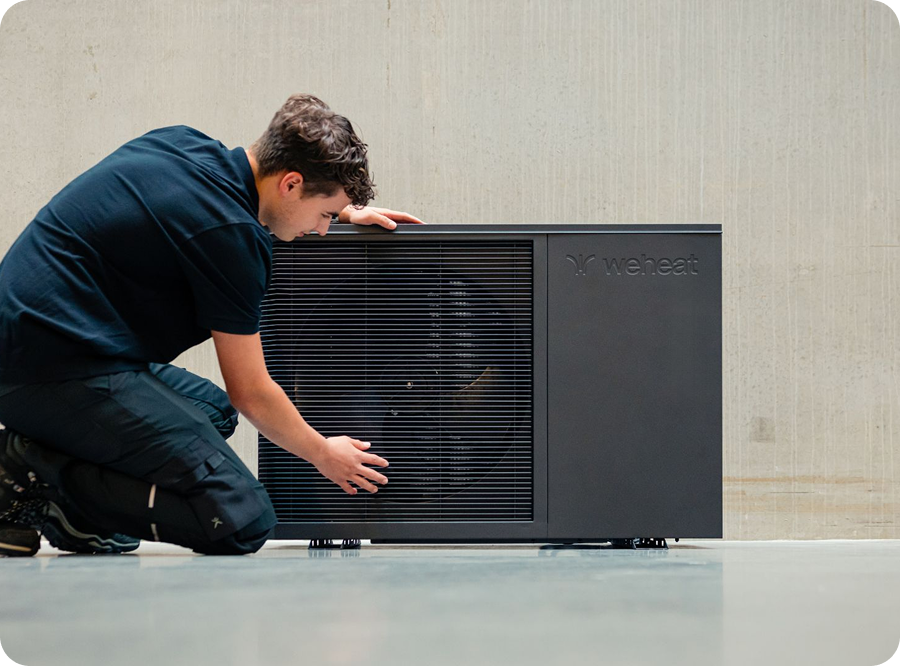
Another solution is to increase your own consumption during the hours when your solar panels are producing energy. This can be done, for example, by using household appliances primarily during the day or investing in a heat pump.
Tips on abolishing the energy-saving scheme
We would like to give you a few more tips that will help you get the most out of your solar panels and, as a result, will be least affected by the abolition of the net-metering scheme. If balancing is abolished, you can still do enough to benefit from your solar panels thanks to these tips:
- Monitoring your energy use: by using an energy management system, you can immediately see how much energy you are consuming and producing. This helps you better match your energy use with the production of your solar panels.
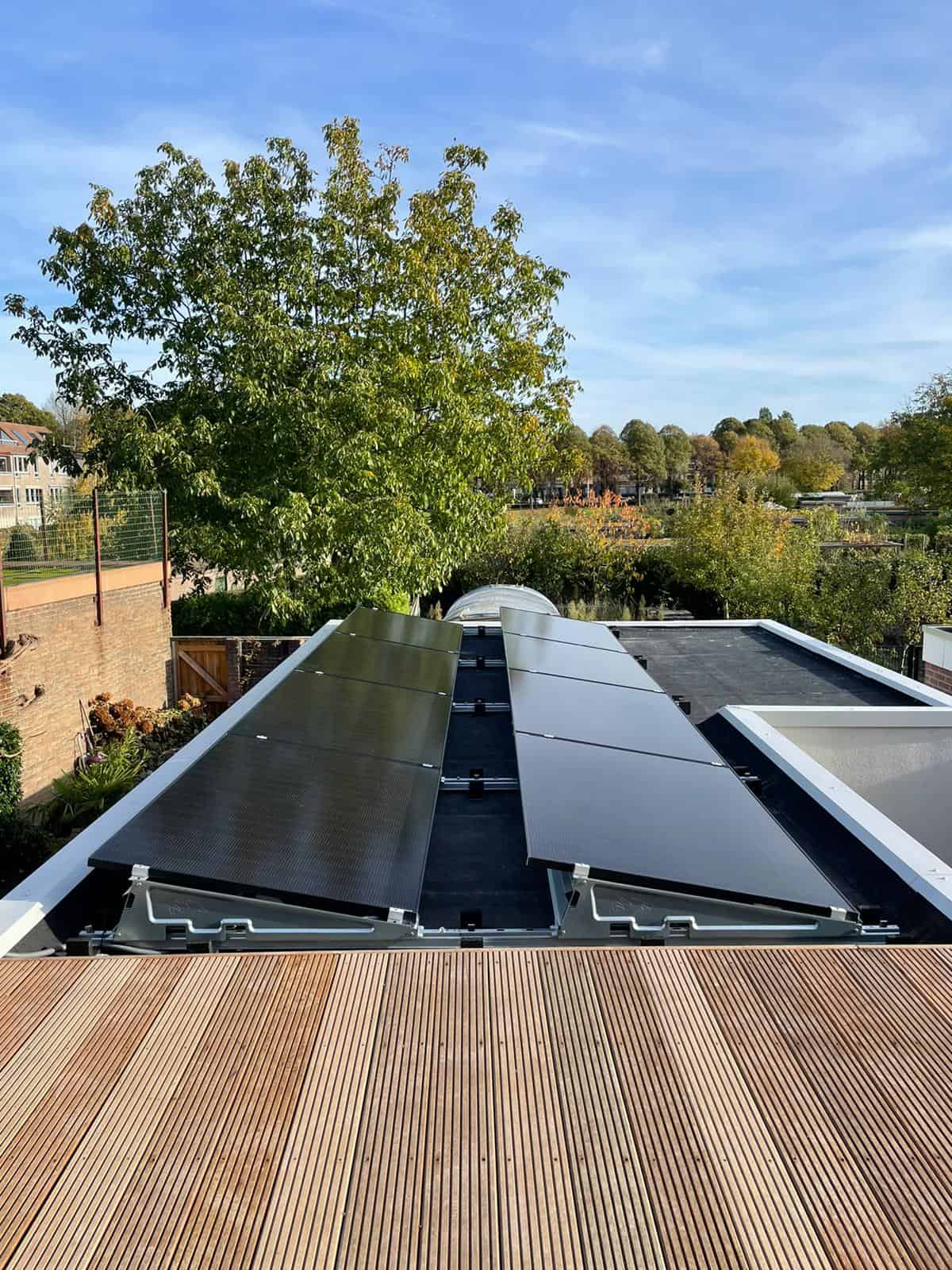
- Optimized angle and location of your solar panels: make sure your solar panels are optimally positioned so that they can capture as much daylight as possible. In doing so, it is a good idea to choose high-efficiency solar panels.
- Use dynamic rates: consider switching to an energy contract with dynamic rates, where prices vary depending on demand. This allows you to turn on appliances when rates are low.
- Use smart technology: invest in smart technology such as automatic light switches, thermostats and appliances you can program.
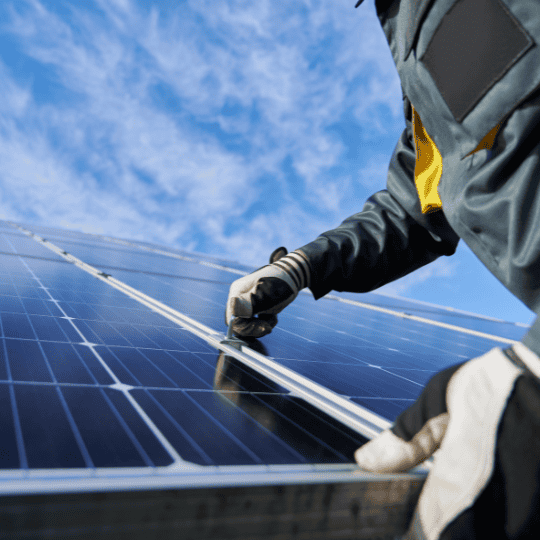
- Regular maintenance and inspection: make sure you regularly check and properly maintain your solar panels and associated equipment. This will keep them performing at their maximum potential.
The answer to the question “why is net-metering being abolished” is now hopefully clear. With the above solutions and tips, you can still live sustainably and benefit from solutions such as solar panels, perhaps combined with air conditioning. Good luck with sustainability!