
More and more terms are emerging when it comes to sustainability. As a result, sometimes we no longer know what everything means and how everything works. One of those tricky concepts is net metering. Because, what is net metering and how exactly does net metering work? We explain it all to you in this blog, so that after reading, you will know exactly how it works.
What is netting?
Netting is the process by which the power you generate with your solar panels and do not directly use yourself is delivered back to the energy grid. Your energy supplier offsets this returned power against the power you take from the grid. The idea is simple: do you generate more than you use? Then you supply the surplus back and it is deducted from your energy bill.
What is net-metering with solar panels?
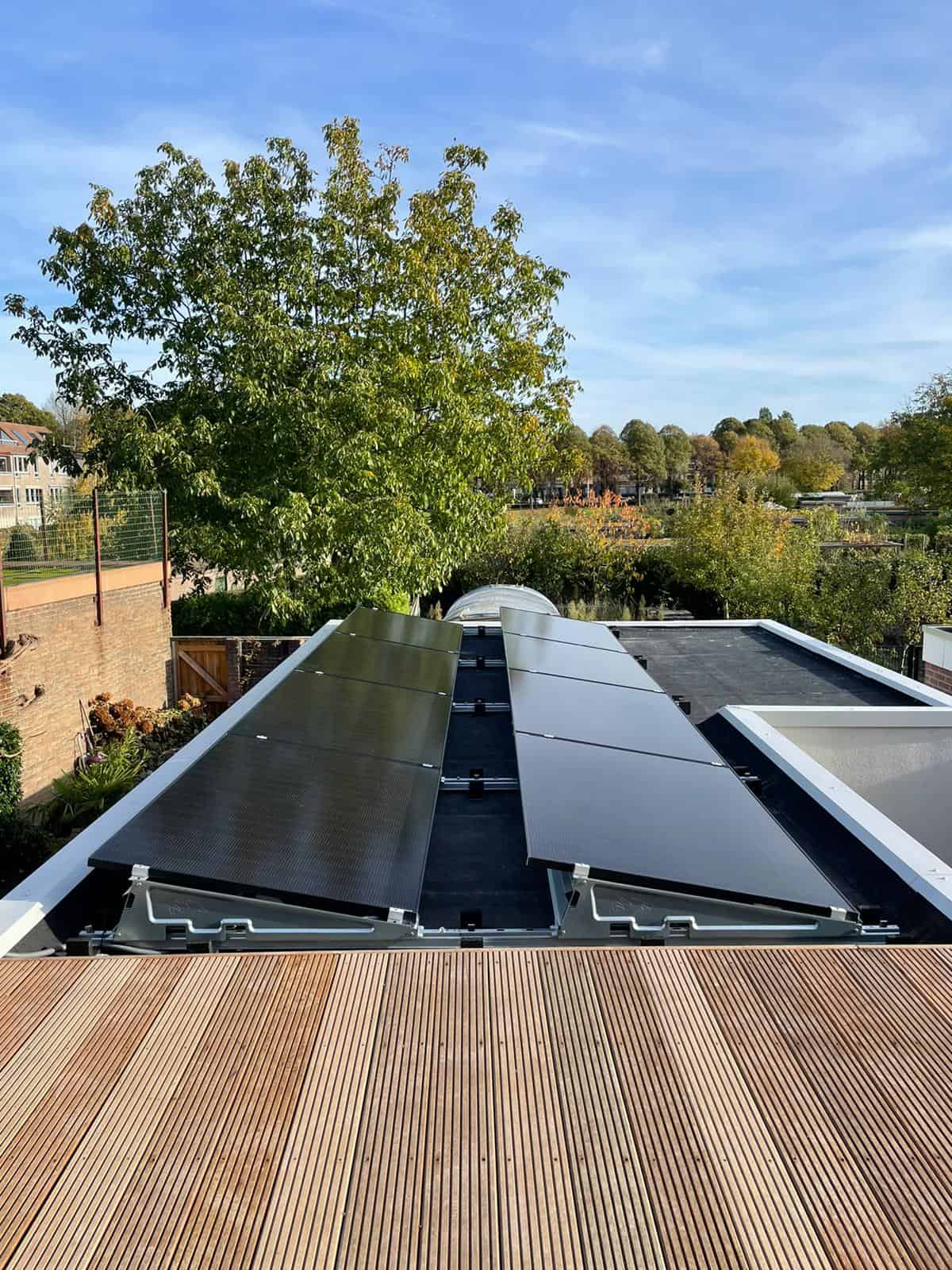
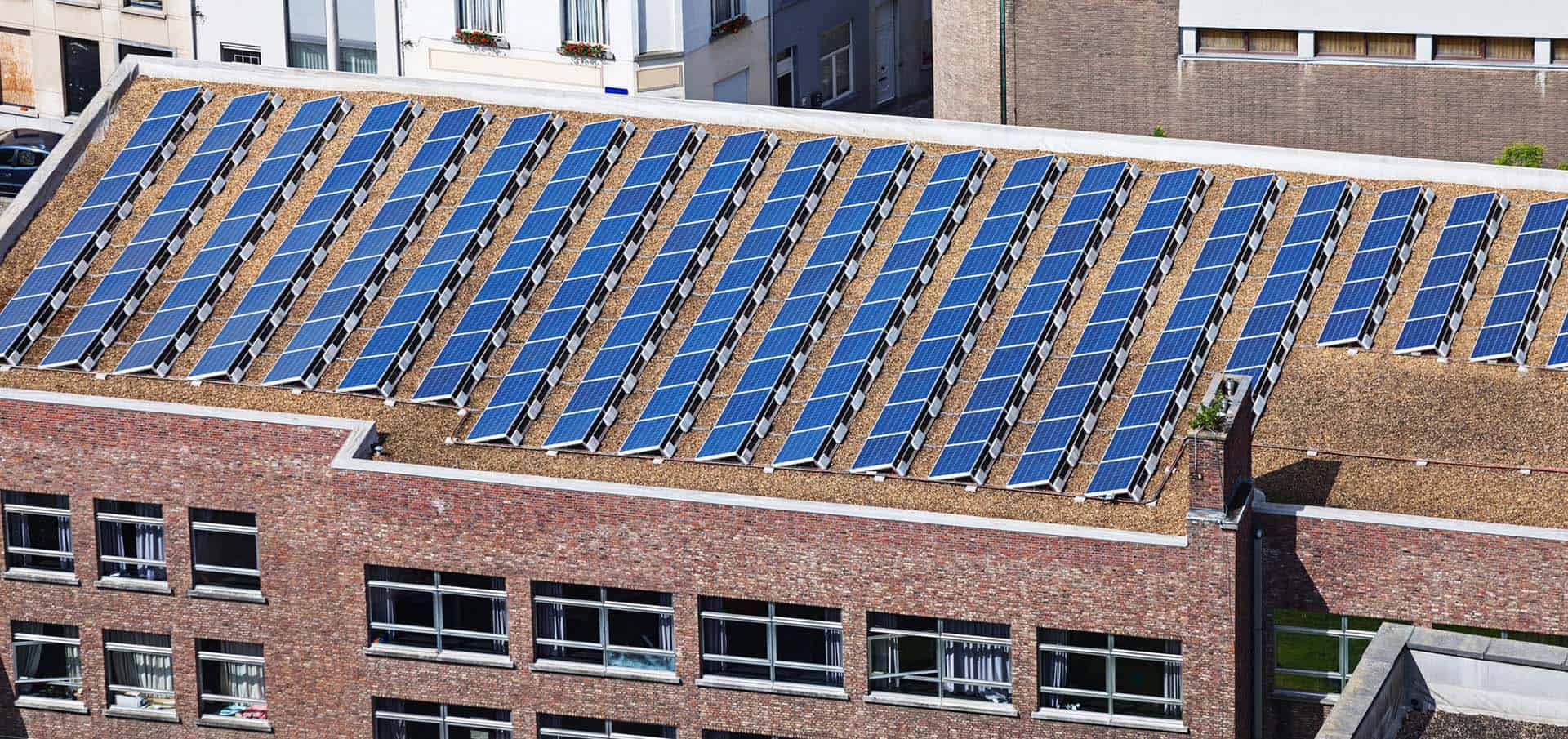
When your solar panels produce more electricity than you need at that time, the excess is automatically fed into the grid. At night, or at times when your solar panels are producing less or no electricity, you use electricity from the grid. The amount of energy you supply to the grid on an annual basis is offset against the amount you take away. This is regulated through the net-metering scheme. As a result, the value of the returned solar energy is equal to the kilowatt-hour price you pay for purchased electricity, including all taxes.
How does the balancing scheme work?
But, how exactly does the balancing scheme work? The net-metering scheme makes it financially attractive for households with solar panels to have invested in solar energy. Energy suppliers are required by law to deduct the electricity they supply back into the annual energy bill. Theoretically, this can mean that you pay nothing for your electricity consumption if you feed back as much power as you consume.
How will the balancing scheme work after 2023?
There is often talk of differences in the balancing scheme and what this means for the future. So then the question arises: how will the energy-saving scheme work after 2023? Although there were first plans to phase out the balancing scheme from 2025, this plan did not receive sufficient support in the Senate. This means that the scheme will remain in place for the time being. However, there is a chance that energy suppliers will set off additional costs for owners of solar panels to compensate for this scheme.
Beginning in 2025, the balancing percentage would be gradually phased out, allowing only a percentage of the electricity supplied back to be offset against your consumption. You will then receive a feed-in compensation on the remaining percentage. For example, in 2025, 64% of the power delivered back may be netted.
How will netting work in the future?
It is important to keep an eye on developments regarding the net-metering scheme. For example, it can have a major impact on the profit of your solar panels. After all, solar panels can earn you money after the investment. Nevertheless, investing in solar panels remains a sustainable and forward-looking choice. This is partly because of the contribution to a more sustainable world and the possibility of becoming energy independent. This is quite convenient. Especially if, for example, you also have an air conditioner running on solar panels.
What is possible for offsetting with solar panels: 5 tips
We understand if you are still wondering: what is possible for net-metering with solar panels? That’s why we have five more helpful tips to get the most out of your system:
- Optimize your own consumption: use as much of your self-generated electricity as possible by scheduling energy-intensive activities, such as washing or charging the electric car, during peak hours of sunshine. This increases the efficiency of your system and thus you make optimal use of the net-metering scheme.
- Monitor your system: keep an eye on the performance of your solar panels using a monitoring system. This will allow you to detect and fix any problems quickly, ensuring the efficiency of your system.
- Consider a home battery: a home battery can increase the self-consumption of your solar power by storing excess energy for use when the sun is not shining. This may be particularly useful if the net-metering scheme may change in the future. After all, how will the net-metering scheme work after 2023 or even later? No one currently knows. Then you had better be prepared.
- Compare energy suppliers: since feed-in fees can vary between different suppliers, it pays to compare regularly. If necessary, you can then switch to a supplier with more favorable terms for your situation.
- Stay up to date on regulations: regulations surrounding solar panels and net metering can change. Stay abreast of these changes to ensure that you continue to take full advantage of your solar energy system. Then you won’t miss out on any new incentives or support measures, either.
Hopefully you now know the answer to the question “what is net-metering? Although the regulations surrounding net metering are constantly changing, the principle remains the same: stimulating sustainable energy generation. Of course, it is always good to follow current developments. This way you can continue to benefit as much as possible from your solar energy system. Good luck!
Read also: Change in rules for solar panels on national monuments and listed buildings