
More and more people are switching to a heat pump as a sustainable alternative to the traditional central heating boiler. Heat pumps use heat from the outside air, soil or groundwater to heat your home. This results in less gas consumption and lower CO₂ emissions. But what about the lifespan of a heat pump? And how do you ensure that your investment lasts? In this blog, we first answer the question “what is the service life of a heat pump?”. In addition, we tell you what factors affect it and provide practical tips for long and trouble-free operation.
How long does a heat pump last?
The answer to the question “how long does a heat pump last?” depends on several things. Consider, for example, the type, use and conditions under which the system runs. On average, you can assume a lifespan of 15 to 20 years for an air-water heat pump. For a ground-mounted system (such as a water-water or brine-water heat pump), the expected lifespan is often between 25 and 30 years. This is because those systems have more stable conditions and are less prone to wear and tear. The lifespan of a hybrid heat pump is usually shorter than an all-electric system. This is because this type of pump works in conjunction with a boiler and therefore switches on and off more frequently, causing additional wear and tear. Therefore, the lifespan of a hybrid heat pump is usually between 10 and 15 years.
What affects the lifespan of a heat pump?
The service life of a heat pump is affected by several factors. Below we list the most important ones:
Quality of installation and components
A heat pump is a technically complex system. The quality of both the components used and the installation itself determine how long it will last. A poorly installed installation or the use of inferior materials can significantly shorten its lifespan. Therefore, always choose a certified installer with experience in heat pump systems.
Proper maintenance and regular inspection
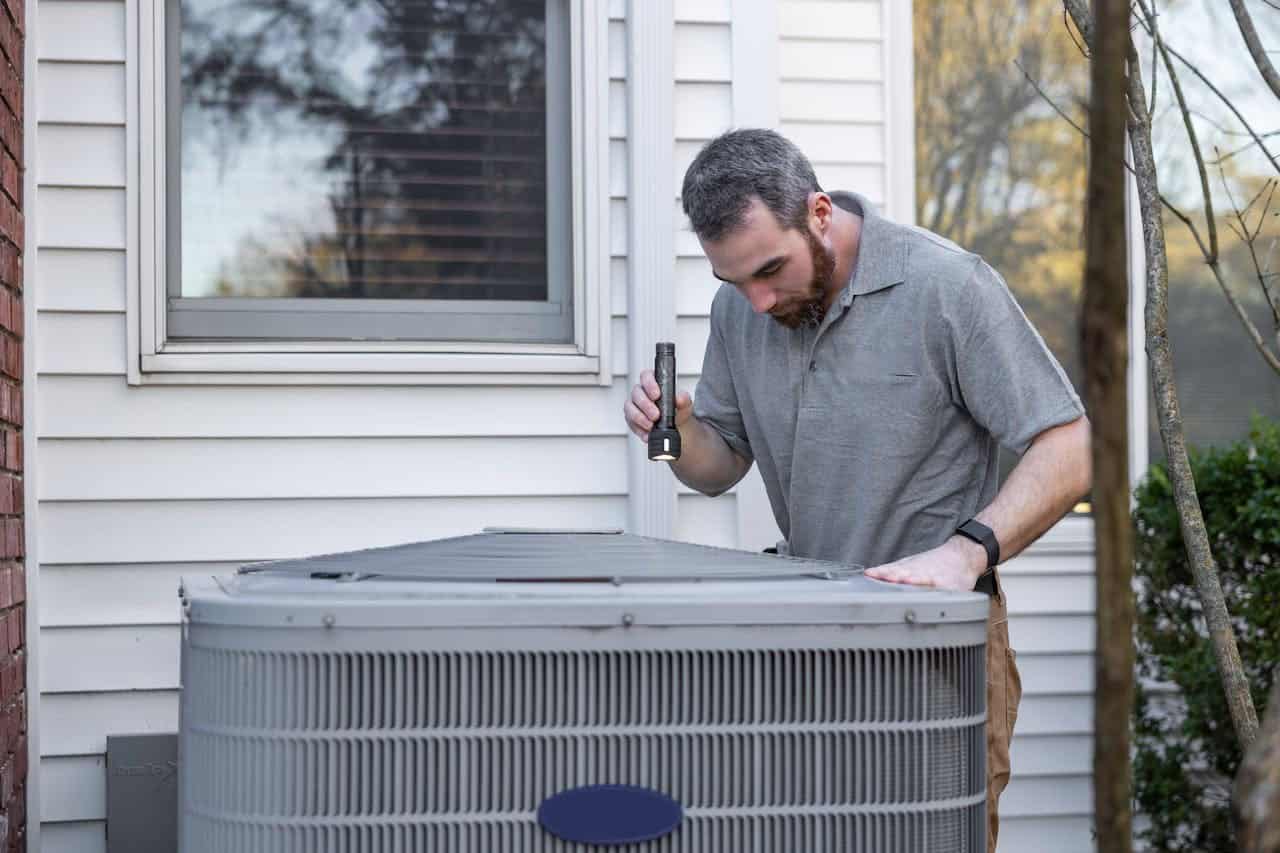
As with other appliances, regular maintenance extends the life of a heat pump. Annual inspection allows small defects or wear and tear to be detected in time before they lead to greater damage. Cleaning filters, checking coolant and checking electrical connections are among the standard maintenance tasks.
Environmental factors and placement
The location of the heat pump’s outdoor unit is more important than many people think. If it is located in a place with a lot of dirt, snow, leaves or rainwater, this can negatively affect its operation and service life. A well-ventilated and sheltered location helps extend the life of your heat pump.
Usage and right type
The right heat pump, matched to the size and insulation value of your home, works more efficiently and wears out less quickly. Too small a pump runs constantly at full speed, while too large a system turns on and off frequently. Both situations are bad for longevity.
Lifetime hybrid heat pump: is it cost-effective?
As indicated, a hybrid heat pump works in conjunction with your existing boiler. This system is especially attractive for existing homes where full conversion to an all-electric heat pump is not (yet) feasible. The central heating boiler jumps in on cold days, while the heat pump provides heating most of the year. However, this cooperation also means that the heat pump has to run more frequently and irregularly, which increases wear and tear. This, in turn, thus lowers its lifespan. Still, heating with just a central heating boiler is not cheaper and more efficient than via a heat pump. So it is still better to choose a hybrid system than no heat pump at all. In any case, regular maintenance is very important to keep the system operational for as long as possible.
So in any case, it does make sense to choose a hybrid heat pump, despite its shorter lifespan. This is due to the lower purchase cost, immediate gas savings, available subsidies and a relatively short payback period of 5-8 years. Thus, the system often still pays for itself within the period of use. Especially for existing homes without drastic insulation measures, it is a financially attractive interim solution towards more sustainable heating.
What’s important in the life of a heat pump? 10 tips
You now have the answer to the question “how long does a heat pump last”. Still, we understand if you do not know exactly what is so important to make this lifespan as long as possible. Therefore, we have some practical tips that you can apply:
- Have annual maintenance performed by a licensed mechanic.
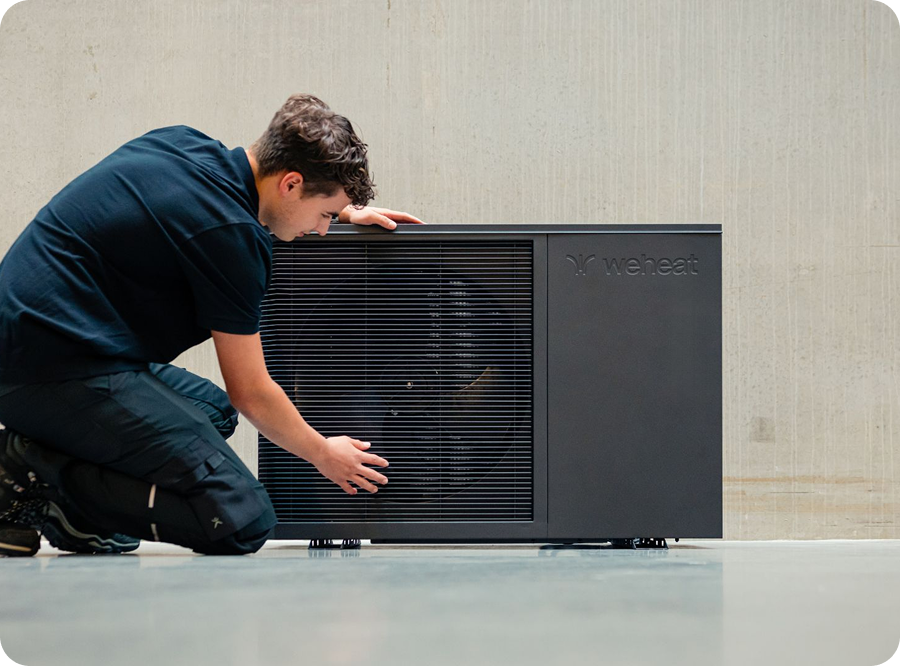
- Regularly clean the outdoor unit, especially the grille and fan.
- Watch for noticeable noises or suddenly reduced performance.
- Follow the manufacturer’s manual regarding settings and use.
- Provide a sheltered location for the outdoor unit, preferably under a canopy.
- Ensure proper ventilation around the outdoor unit so that airflow is not obstructed.
- Make sure your home has adequate insulation so the heat pump doesn’t have to work as hard.
- Have the settings checked during seasonal changes to ensure the pump is always operating efficiently.
- Use a smart thermostat, which allows you to run the heat pump more efficiently and economically. Or check out the options for an Energy Management System.
- Choose nighttime lowering with policy. This means not lowering the temperature too far at night. That way, the system does not have to work unnecessarily hard when starting up in the morning.
So, the question “how long does a heat pump last?” cannot be captured with one answer, but depends on many factors. The service life of a heat pump can therefore be influenced if you take a conscious approach to installation, maintenance and use. Have you already switched or are you still in the orientation phase? In either case, it is good to know what is possible and exactly what the lifespan is. This way you get the most out of your sustainable investment. Good luck with sustainability!