
By now everyone is working on it in one way or another: sustainability. Some take it more seriously than others, but what we all have in common is that we want to save money. We therefore look for sustainable ways to optimize our energy consumption and thus save on costs. One option that is becoming increasingly popular is the combination of a dynamic energy contract with a home battery. This is because this combination not only offers financial advantages, but also contributes to a more sustainable use of energy. In this blog, we will tell you all about the advantages of this combination and how you can benefit from it. We also tell you what the payback period of a home battery with a dynamic energy contract is.
Dynamic energy contract and home battery: what exactly are they?
First, it is good to know exactly what a dynamic energy contract and a home battery are. A dynamic energy contract is an agreement where energy prices vary based on current market prices. Unlike fixed or variable contracts, where rates are adjusted periodically, dynamic contracts allow prices to vary hourly. These rates are based on prices at energy exchanges where suppliers purchase energy. This means you can take advantage of low rates during off-peak hours and should be alert to higher prices during peak hours.
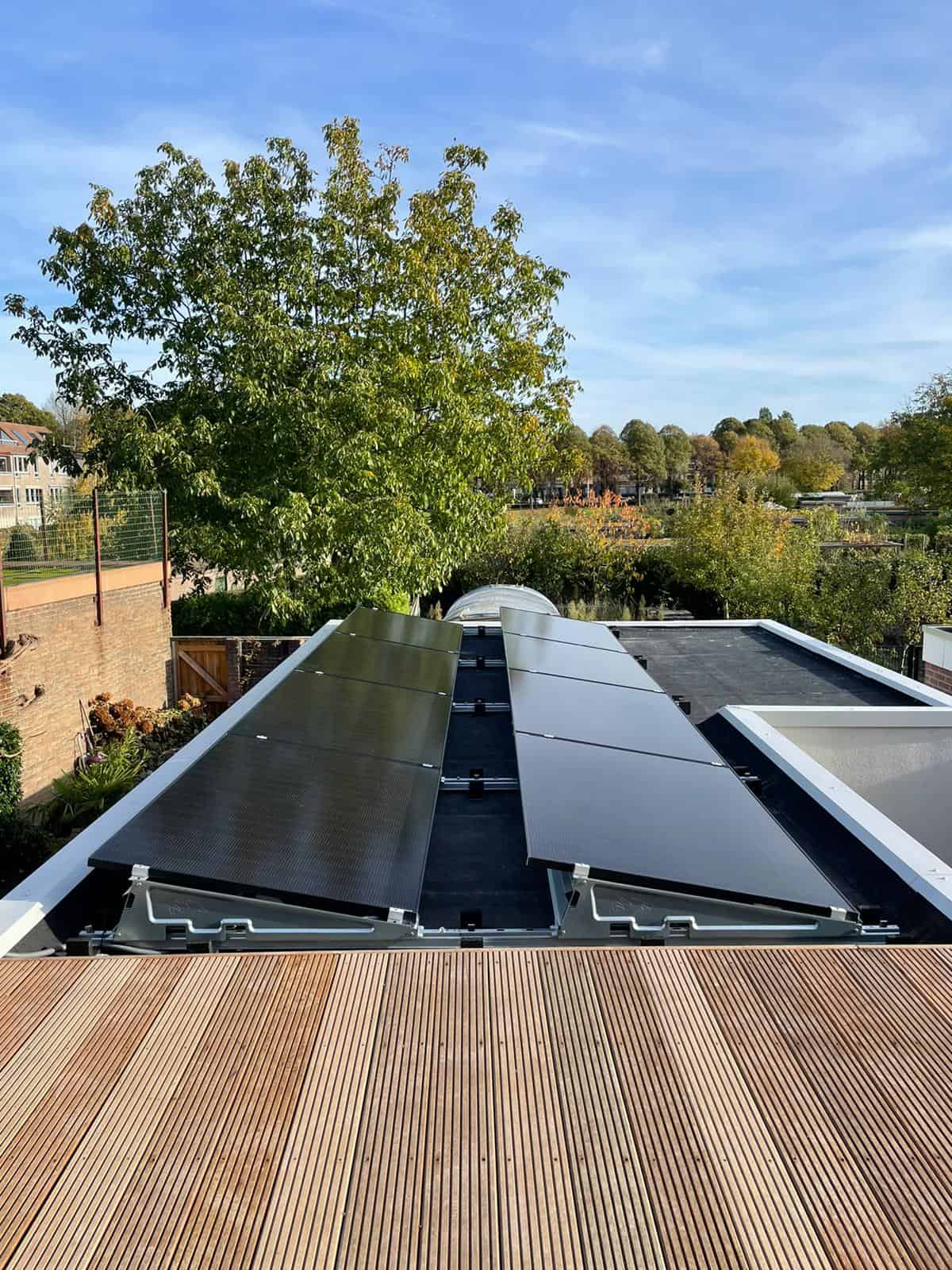
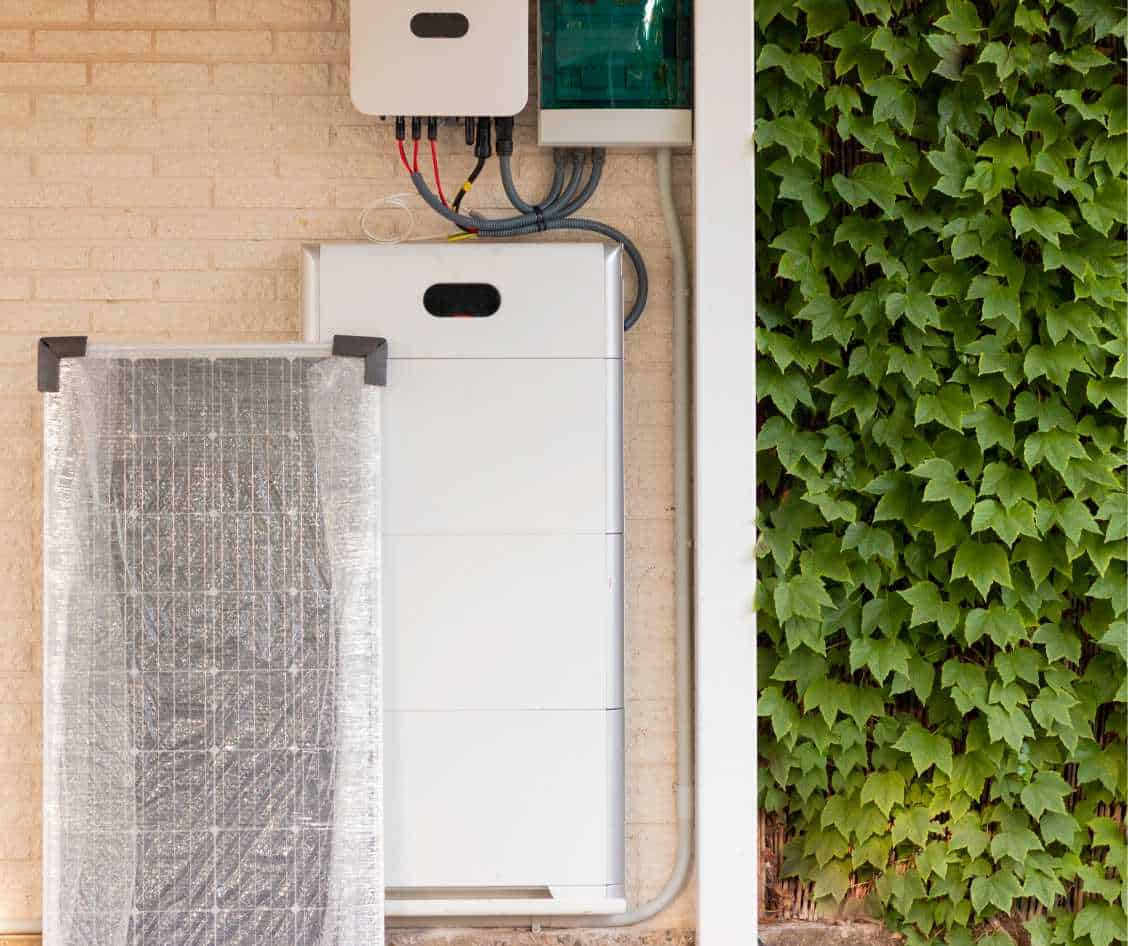
A home battery, also known as a home battery, is an energy storage system for domestic use. It allows you to store excess energy, such as that generated by solar panels, for later use. This is especially useful if, for example, you heat your home with a solar-panel air conditioner. With a home battery, you can utilize self-generated energy at times when yields are low, such as at night or during cloudy days. In addition, a home battery can store energy taken from the grid during cheap hours to use when prices are higher.
The benefits of a dynamic energy contract with a home battery
Combining a dynamic energy contract with a home battery offers several advantages:
Cost savings through smart energy use
With a dynamic energy contract, energy prices vary throughout the day. By charging your home battery during hours with low rates and using this energy during peak hours with higher rates, you can save significantly on your energy bills. This does mean that you must be able to flexibly adjust your energy usage to fluctuations in energy prices.
Maximum utilization of self-generated energy
For households with solar panels, given the changes in the maintenance of the net-metering scheme, it is becoming increasingly important to make the best use of self-generated energy. A home battery allows you to store excess solar energy and use it when the sun is not shining. Combined with a dynamic energy contract, you can use this stored energy at times when energy prices are high. This is how you increase your savings.
Responding to negative power prices
During periods of surplus renewable energy, power prices can become negative. With a dynamic energy contract and a home battery, you can store energy during these negative prices and use it later. Or you can feed it back when prices are positive again. This provides a unique opportunity to take advantage of market fluctuations.
Participation in the imbalance market
Some energy suppliers offer the opportunity to participate in the imbalance market with your home battery. This means that you can supply energy at times when there is a shortage on the grid, for which you receive compensation. This allows you to reduce your home battery payback period with a dynamic energy contract and generate additional income.
Payback period of a home battery with a dynamic energy contract
The payback period of a home battery means the period during which the investment cost is recovered by the savings. It is generally between 6 and 11 years. However, this period can vary greatly depending on factors. Consider the total cost of the battery, your energy contract, local energy rates and your annual energy consumption. Households with higher daily energy consumption, for example, will benefit more quickly from investing in a home battery. However, you may then need to expand or add solar panels. If you use the home battery for trading on the aforementioned imbalance market, it will pay for itself within about 6 years. However, this requires that your energy supplier offers this possibility and that you are willing to flexibly adjust your energy consumption.
Who is this combination suitable for?
The combination of a dynamic energy contract with a home battery is particularly suitable for:
- Households with solar panels: you can store excess solar energy and use it when prices are high, reducing your dependence on the grid and lowering your energy costs.
- Flexible energy consumers: if you are able to adjust your energy consumption to fluctuations in energy prices, you can take full advantage of the benefits of a dynamic energy contract and a home battery.
- Households without solar panels: even without solar panels, you can benefit from a home battery. This can be done by storing energy during cheap hours and using it during expensive hours. However, this does require a dynamic energy contract and a willingness to manage your energy consumption flexibly.
As you can read, combining a dynamic energy contract with a home battery offers significant advantages. However, investing in a home battery and switching to a dynamic energy contract requires a well-thought-out approach. For example, it is important to examine whether your situation and consumption patterns are suitable for this combination. Consider all the important factors before making a decision. In this blog, you can read more about the dynamic energy contract combined with a HEMS.