
With rising energy costs and a growing focus on sustainability, alternative ways to heat are becoming increasingly popular. One of the most sustainable options today is a heat pump. But how does a heat pump work? And how does it work, for example, in winter or in combination with underfloor heating? We give you the full heat pump explanation in this blog, so read on quickly!
What is a heat pump?
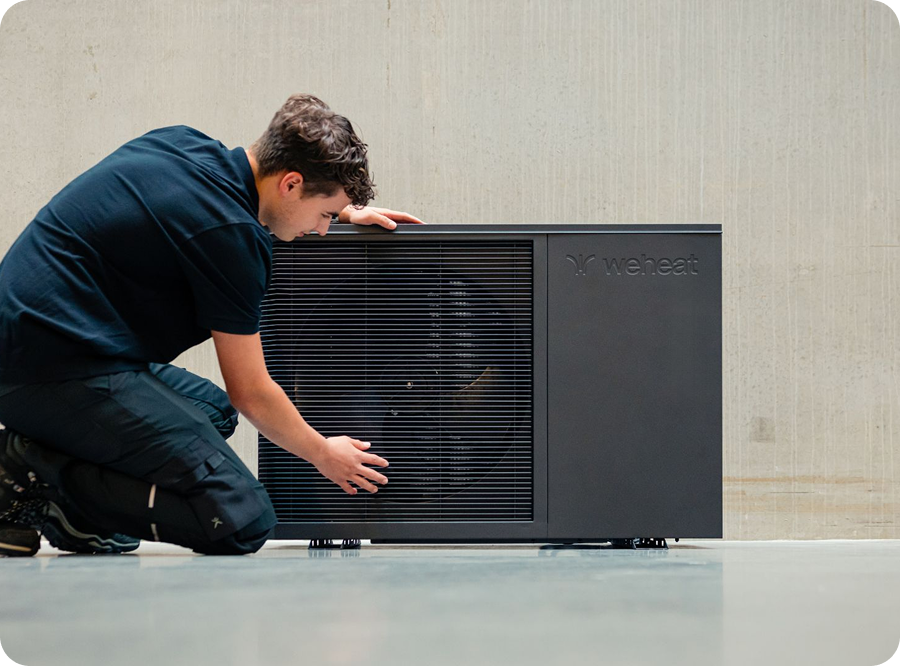
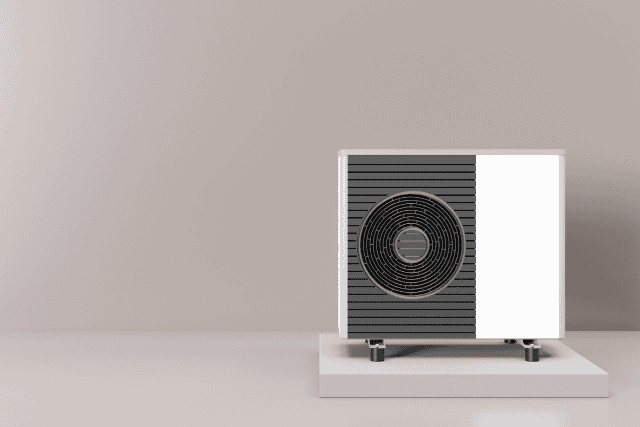
A heat pump is a device that extracts heat from natural sources such as outside air, soil or groundwater. This heat is then used to heat your home. The system runs on electricity and provides a sustainable alternative to traditional heating systems such as a central heating boiler. A heat pump functions similarly to an inverted refrigerator. Namely, where a refrigerator removes heat from its interior to keep it cool, a heat pump draws heat from outside to heat your home. When considering a heat pump, it is always important to consider the insulation of your home. A well-insulated home allows the heat pump to work more efficiently. Read more about why a heat pump is more efficient than a central heating boiler here.
How does a heat pump work?
The operation of a heat pump can be divided into four steps. First is evaporation. A refrigerant with a very low boiling point circulates through a network of pipes. When this refrigerant absorbs heat from the environment (air, soil or water), it evaporates and changes to gaseous form. Then a compressor compresses the gas, increasing pressure and temperature. Then the hot gas flows to a condenser, where it releases its heat to your home’s heating system (such as radiators or underfloor heating). During this process, the gas condenses back to a liquid. Finally, the liquid passes through an expansion valve. This drops the pressure and cools the refrigerant. The cooled refrigerant is now ready to reabsorb heat from the environment and the process repeats itself. This closed circuit allows the heat pump to continuously move heat from outside to inside, even at low outside temperatures.

How does a hybrid heat pump work?
There are different variants of heat pumps, so we can imagine you wondering: so how does a hybrid heat pump work? Fortunately, this is very easy to explain. This is because a hybrid heat pump combines a traditional central heating boiler with a heat pump. In this arrangement, the heat pump takes care of most of the heating requirements. The boiler then jumps in on very cold days or for heating tap water. This system draws heat from the outside air and, depending on settings and conditions, can save up to 70% on gas consumption.
How does a heat pump work in winter?
Since you need the heat pump year-round, you may wonder “how does a heat pump work in the winter? This is a common question because people want to know how effective the heat pump is in low outdoor temperatures. Modern heat pumps are designed to operate efficiently even at temperatures around freezing. Although efficiency may decrease slightly as temperatures drop, heat pumps can still provide adequate heat for your home. At very low temperatures, a hybrid heat pump can switch to the central heating boiler to provide additional heat.
How does a heat pump with underfloor heating work?
If you are looking for even more ways to make your home more sustainable, consider heating with an air conditioner or with underfloor heating, for example. In fact, underfloor heating and heat pumps make an excellent combination. For example, underfloor heating works at lower water temperatures than traditional radiators, which fits perfectly with how a heat pump works. This lower temperature allows the heat pump to operate more efficiently. This results in lower energy consumption and even heat distribution throughout your home. So the answer to the question “how does a heat pump work with underfloor heating?” is: very well!
Heat pump explanation: the benefits
In addition to the aforementioned benefits of energy efficiency and environmental friendliness, choosing a heat pump has several other advantages:
- Comfort: heat pumps provide a constant and even temperature in the home.
- Low operational costs: although the initial purchase and installation of a heat pump is an investment, the operational costs are significantly lower than those of traditional heating systems. Heat pumps use less energy to generate heat, leading to lower monthly utility bills.
- Longevity: a well-maintained heat pump can last 15 to 25 years. This makes it a durable and reliable long-term choice.
- Low maintenance: a heat pump requires relatively little maintenance compared to a central heating boiler. Regular checks by a professional are sufficient to keep it working optimally.
- Suitable for renovation and new construction: heat pumps are flexible in use. They can be integrated into new construction projects as well as adapted to existing homes, especially if they are well insulated.
The answer to “how does a heat pump work” is now hopefully clear. Whatever you do it is always advisable to consult a professional. They can help determine which type of heat pump is most suitable for your situation and perform the installation correctly. This way you can make an informed decision about switching to this sustainable technology. Wondering how many solar panels you need for a heat pump? Then click here for all the information!