
More and more households have already opted for solar panels. This is not only good for sustainability, but also certainly for energy costs. Still, it is difficult to properly determine in advance how many solar panels you are going to need. After all, your energy needs change over the years due to various factors. From family expansion, to the purchase of an air conditioner or heat pump, for example, it’s all possible. Expanding or adding solar panels may then be necessary. But how exactly does this work? We explain it all to you in this blog.
Extending or adding solar panels: what’s the difference?
So when you need more solar panels, there are two options: expand solar panels or add on. The options seem similar, but there is quite a difference. We are happy to explain what this difference is, so you can better know what the right choice is for your situation.
Expanding solar panels
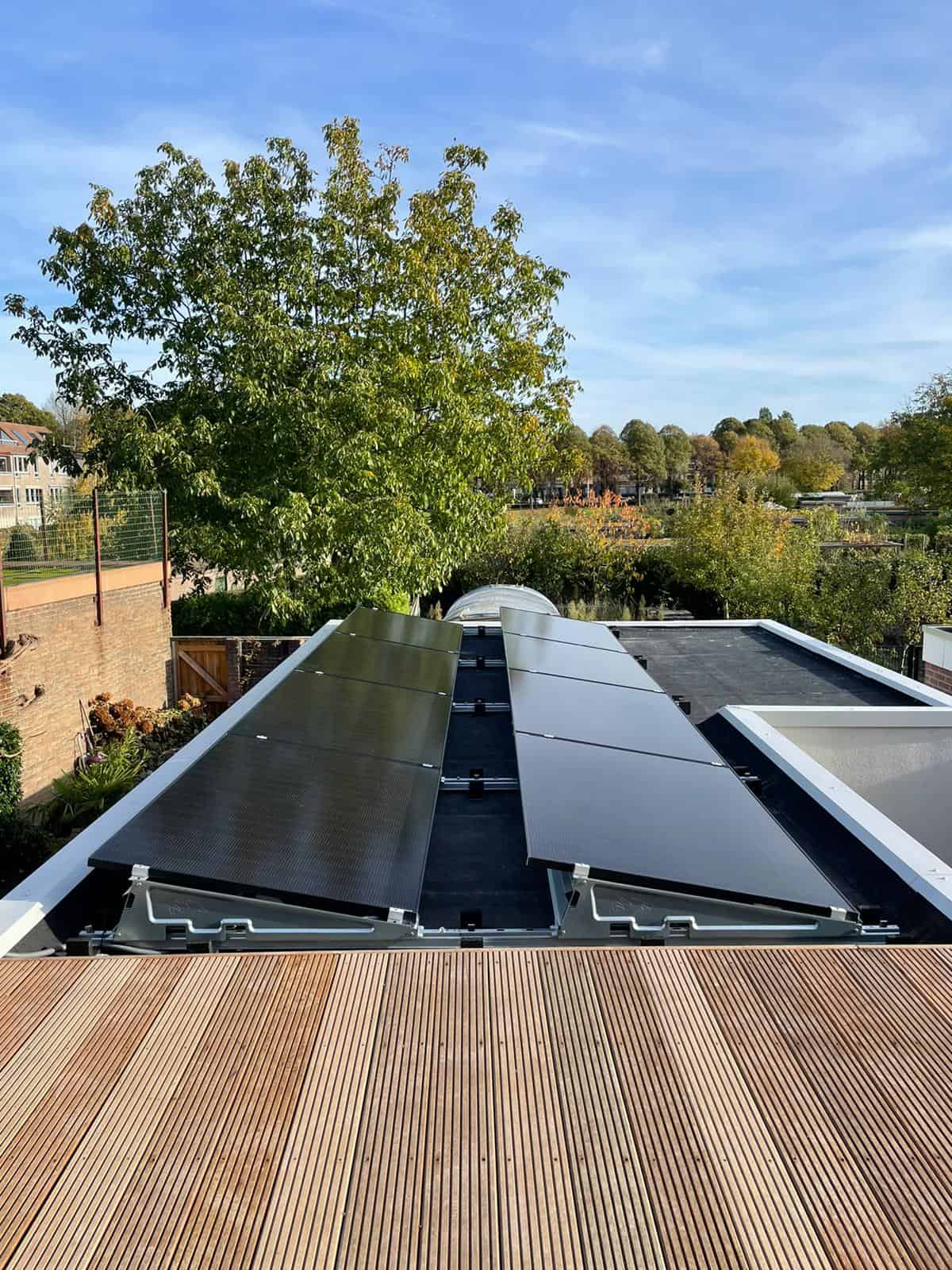
When you choose to expand solar panels, you choose to add a few separate panels to your current system. This involves placing them on the same inverter and then operating as one solar panel system. Expanding your current system is often the most cost-effective option if your inverter can handle the extra capacity and there is enough space on the roof. However, the added panels may affect the performance of your entire system if they cannot be placed optimally.
Adding solar panels
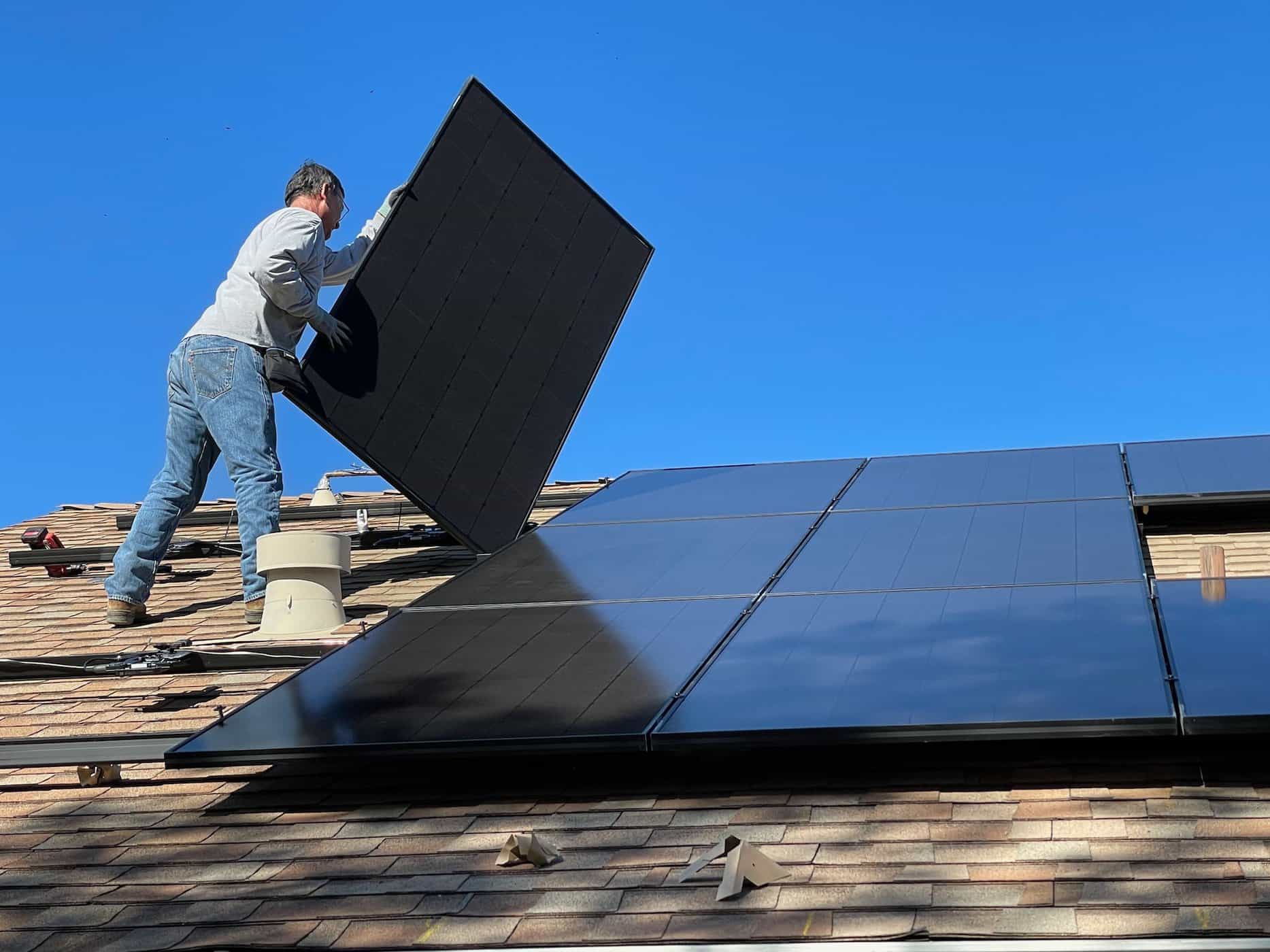
When you add solar panels, the solar panels are installed as a new system. The solar panels can then still be placed next to the current system, but can also be placed in a different location. Think garage or shed, or another part of the roof. This is often done when there is not enough space on the roof, for example. Adding a new system is more expensive because it requires an additional inverter. Nevertheless, this does offer the advantage that both systems operate independently of each other. This means that the new system does not affect the performance of the old system and vice versa. Siding can be especially advantageous if the new panels will be on a different part of the roof or in a different location.
What to consider before expanding or adding to your solar panels?
Before you choose to expand or add to your solar panels, there are a things to consider:
- Your current system and inverter: the decision between expanding or adding solar panels is closely related to your current solar panel system. In particular, this involves the inverter. It must be able to handle the increased power. In some cases, you can connect additional panels to your current inverter, but often an upgrade or a new system is needed to maximize efficiency.
- Roof space and positioning: not every roof can support the weight of additional solar panels. In addition, available space or roof positioning can have an impact. Sometimes expanding solar panels simply cannot be done because not as many solar panels will fit on your roof. Then you will have to choose to add a new system on another part of the roof or another location, such as a shed.
- Series connected panels: with series connected panels, the panel with the lowest yield affects the overall performance of the system. Expansion can then be difficult, especially if the new panels are placed in a less than ideal position. For example, there is a difference between the yield of solar panels facing west or other directions. Expanding can then lower the overall yield, making solar panel expansion of little use.
- Cost: The cost of expanding or adding solar panels varies widely. It all depends on the type of solar panel you choose and whether a new inverter is needed.
- Warranty and installers: it’s smart to have expansions or new installations done by the same company that installed your current system. Or at least by a professional company you can trust. This can avoid potential problems with warranty claims and assures that you are dealing with installers who are familiar with your system.
- Energy schemes and subsidies: consider local regulations, subsidies and energy schemes that may affect your decision. The Small Business Enterprise Allowance (KOR), for example, can affect VAT refunds when you expand your system.
As you can read, there is plenty to consider before making the choice to expand or add to your solar panels. The most important thing is that it fits your situation. Read here, for example, how many solar panels you need if you have purchased an electric car. Whatever you choose, (additional) solar panels are always a good option by which you contribute to a more sustainable world. Good luck choosing!