
A home battery sounds like a smart investment, but is it also financially attractive? Many people wonder if a home battery will really save money and how long it will take to recoup the investment. In this article, we lay out the facts and provide a clear answer.
Why a home battery?
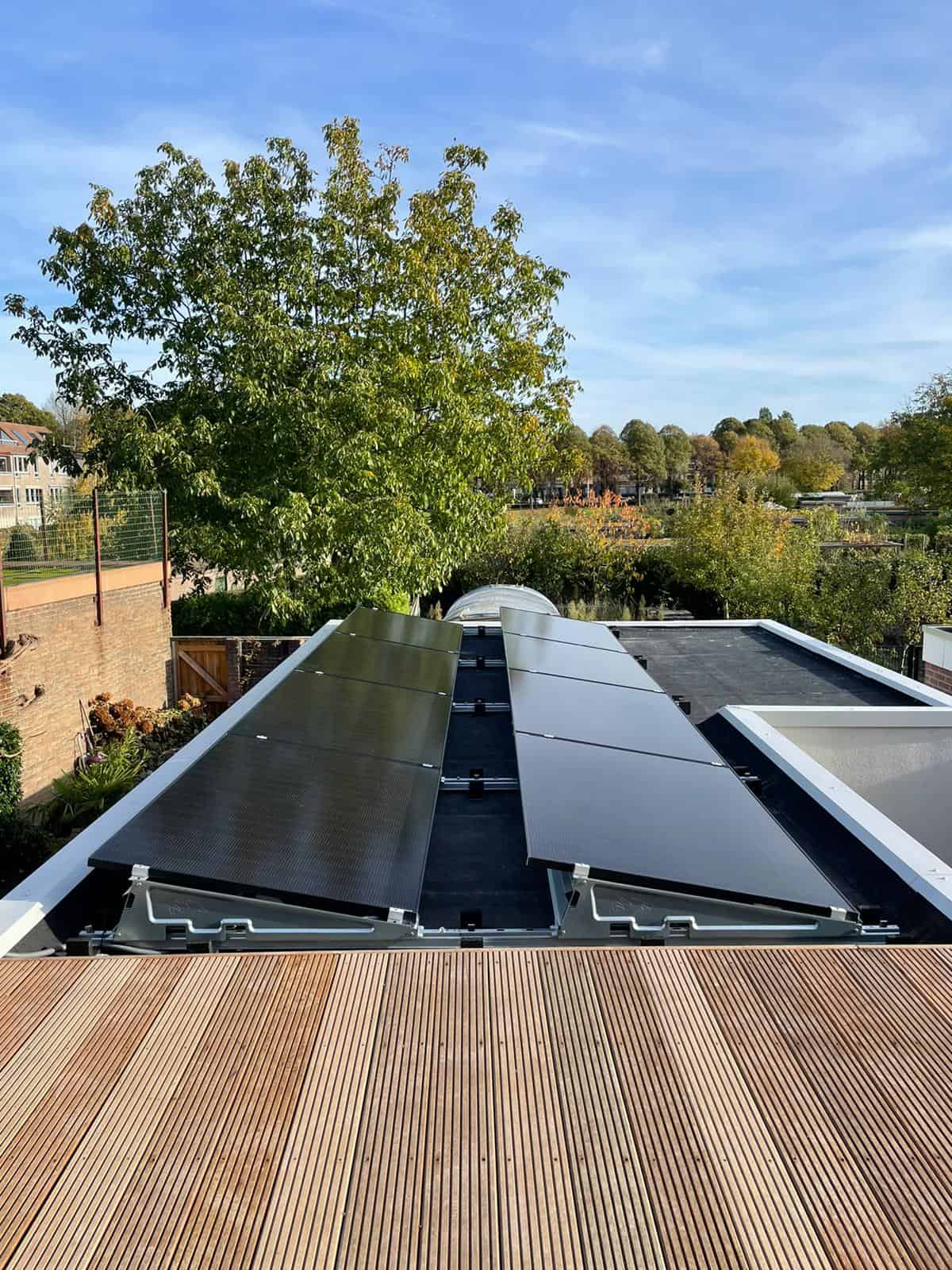
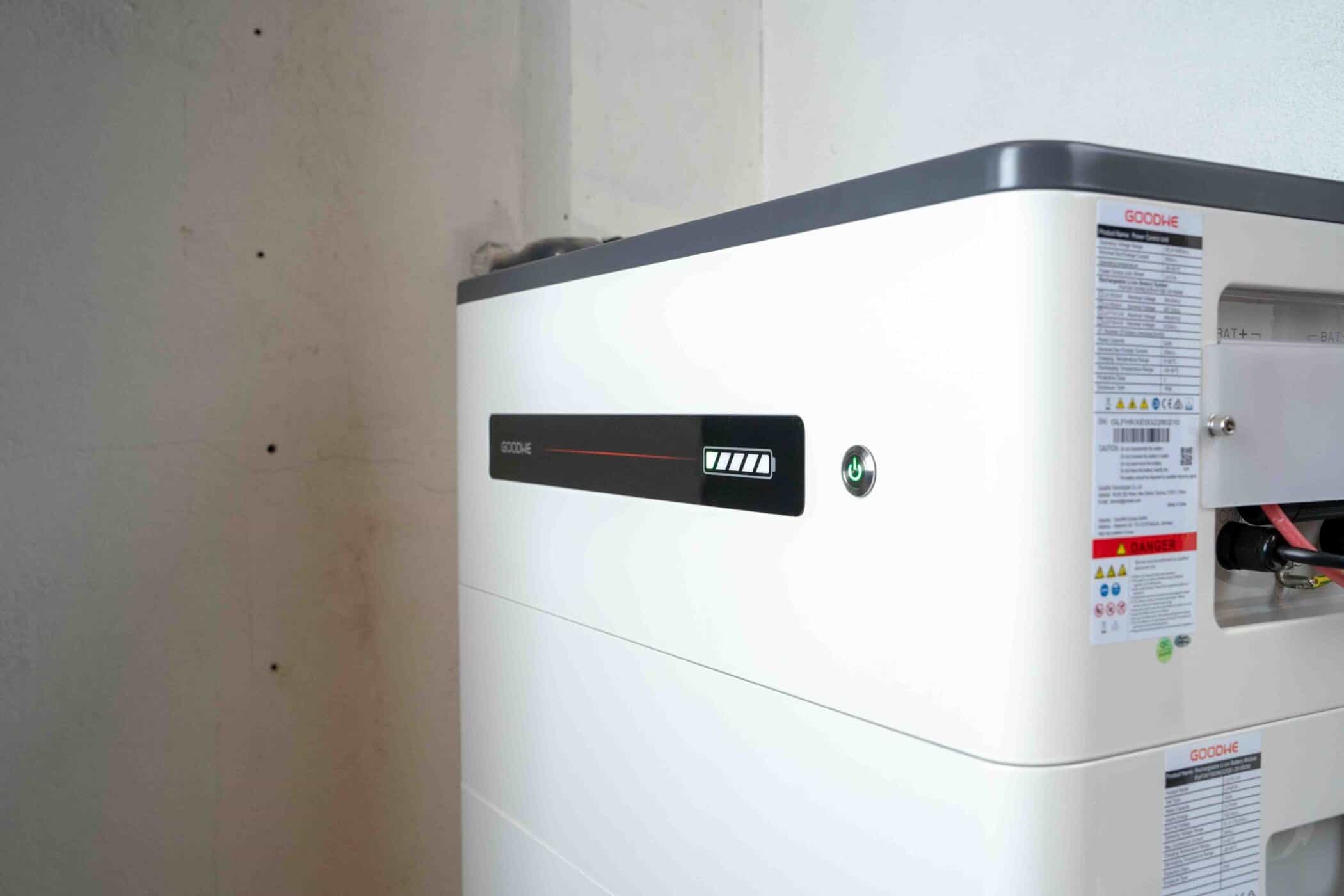
A home battery stores the solar energy generated that is not used immediately during the day. Instead of delivering the surplus back to the grid (for which you get less and less), you save the energy for later use. This ensures lower energy costs, less dependence on the power grid and more control over your own energy use.
Fact or fable: a home battery won’t pay for itself?
Fable! The payback period for a home battery depends on several factors, but with smart energy planning, a home battery can certainly be cost-effective.
Key benefits that contribute to payback:
1. Abolition of the balancing system by 2027.
The balancing scheme, which allows you to offset self-generated electricity against your consumption, will be abolished all at once on January 1, 2027. This means that you will no longer be able to take advantage of this scheme from then on.
After 2027, you will receive compensation for the returned electricity, but it will be lower than the current balancing scheme. This makes storing and using your own generated energy increasingly attractive.
2. Smart storage saves on peak prices
With a dynamic energy contract, power prices fluctuate hourly. By setting your home battery to charge when power is cheap and discharge when prices are high, you can save on your energy bills.
Practical advantage: Buying cheap power and using it at expensive times lowers costs significantly.
3. Independence from the power grid
With a home battery, you are less dependent on price fluctuations and grid congestion. In some regions, solar panels are even shut off when the grid is congested. A home battery prevents this problem because you can store and use the generated energy immediately.
Benefit: Less feed-in, less reliance on the grid, and power always available, even in the event of an outage.
4. Home battery combined with a charging station
For those who own an electric car, a home battery offers additional benefits. By smartly charging your car with stored solar power, you drive more sustainably and save additional costs.
Savings: Charging with your own power is often cheaper than charging at a public charging station.
Payback period: what can you expect?
The payback period for a home battery averages between 10 and 14 years. This depends on:
- Home battery capacity and purchase cost
- Your energy consumption and how much solar energy you generate
- How efficiently you use the home battery
- Developments in energy prices and the abolition of the balancing scheme
Would you like an exact calculation for your situation? Request a free consultation, and we will calculate it for you.
Conclusion: is a home battery cost-effective?
Yes, provided you use the battery in the right way. With the abolition of the balancing scheme as of 2027, rising energy prices and the advantages of dynamic contracts, a home battery is becoming increasingly interesting. It is not only a financial choice, but also a step toward an energy-independent and sustainable future.
Want to know if a home battery pays off for you? Contact us for a personal consultation.
Did you get the answer right? Next time we will test your knowledge again with another “fact or fable. Sign up for our newsletter to stay up to date.